Author: G. Li, Silicon Valley Chapter
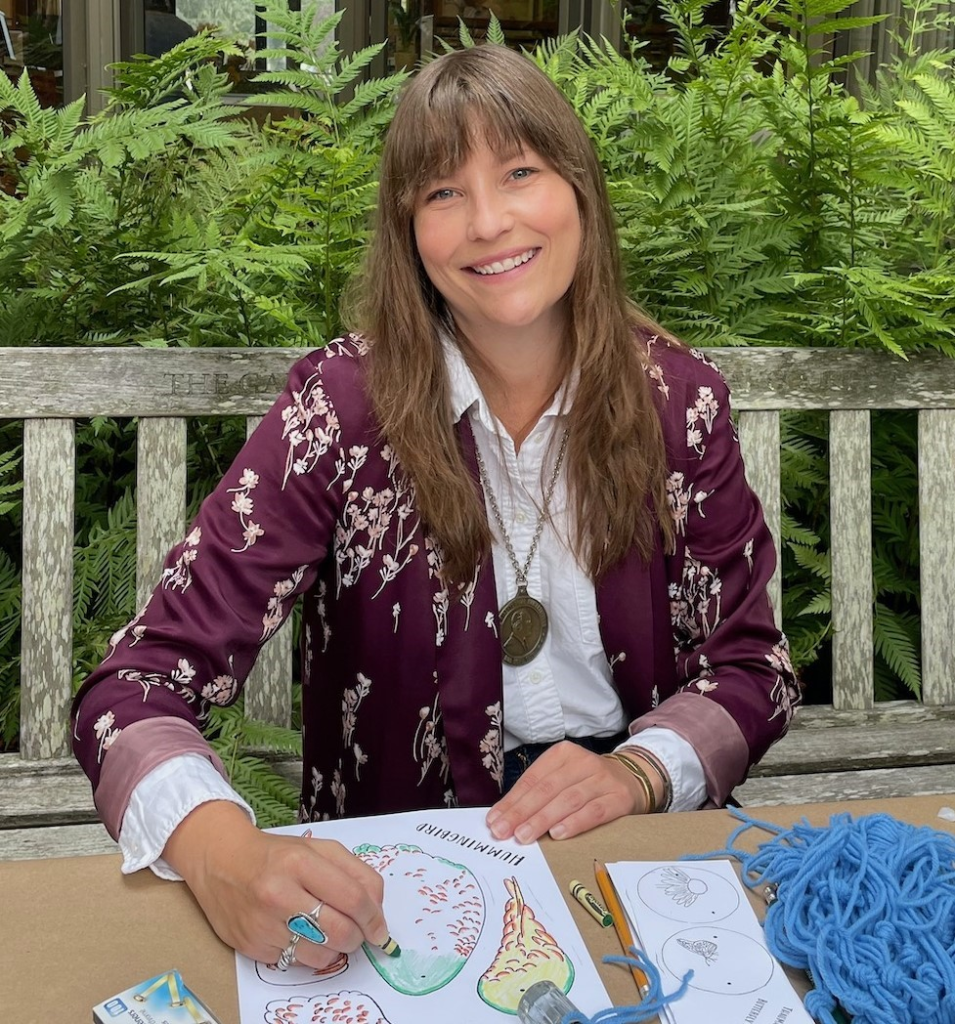
Public history in the Bay Area is a rich field, supplemented by a wide variety of museums, historical societies, parks, and archives that tell the story of our location through exhibits, educational programs, and preservation efforts. We are joined by Nicole Meldahl, the Executive Director of the Western Neighborhoods Project and the host of the Outside Lands Podcast, to discuss public history in the San Francisco Bay Area.
Our area hosts a wide variety of historical efforts to preserve and share the history and culture of the neighborhoods in San Francisco. These include the San Francisco Historical Society, GLBT Historical Society, and the Western Neighborhoods Project. The Western Neighborhoods Project is a nonprofit organization founded in 1999, known for their projects displaying San Francisco history, including co-organizing the San Francisco History Days weekend at the Old Mint and the OpenSFHistory program that shares more than 100,000 historical images of San Francisco. In addition to organizing these highly impactful events, they give history walks and talks, publish a magazine, and produce a podcast.
We asked Nicole Meldahl how she started her career as a historian then Executive Director of the Western Neighborhoods Project.
Nicole: “Well, I got an internship with the Park Archives and Records center at the Golden Gate National Recreation Area (GGNRA), where I learned how to be an archivist and how to catalog museum collections. I was doing that for a few years and then I decided, okay, well, I think this is a career that I want to do, so I should probably work on my resume a bit and start trying to find other places to volunteer. And while I had been with the GGNRA, I met a retired park ranger named John Martini, and he worked with the Western Neighborhoods Project. So I thought, I’ll just send them an email and see if they need my help.
And David Gallagher and Woody Labounty, who founded the organization, really took me in, so sort of thought I could do more beyond just organizing and cataloging historic materials. And so they encouraged me to do more public facing things like be on the podcast and then lead history walks. And then I joined the board of directors. And then in 2019, when Woody got a job offer he couldn’t refuse, I stepped in as executive director. So a whirlwind journey.”
The Outside Lands podcast hosted by the Western Neighborhoods Project is based in public history, directed by those with backgrounds in archiving. This podcast blends a conversational tone with a historian’s traditional rigorous methodology, pulling from archives throughout the city. With Nicole’s extensive background in archiving, she’s been able to pull from numerous first-person sources to craft a well-researched podcast.
With the podcast, Meldahl believes that portraying history as stories of the local area is an important channel for history to thrive. “It’s a casual format,” she says, “so you don’t feel like, ‘oh, gosh, I’m attending a history lecture right now, how boring’. History is super fun and interesting, but it’s often communicated really poorly. It’s really stuffy or too dense, or there’s a focus on famous people or people who do monumental things, you know, and those people are hard to relate to.” By telling local stories, we are able to find more personal connections – like the bar that’s been around forever or the grocery store passed down through five generations.
Working in public history in a time with so many different types of media also calls for adaptability. Meldahl spoke about the juxtaposition of the comprehensive footnoted articles on the Western Neighborhoods site and more conversational podcast and social media posts.
“It’s a mindful approach to try to meet people where they’re at. It’s the same thing when I’m doing lectures. You know, I’m not trying to overwhelm you with information. I want to show you really cool things and give you a couple bits of information and entertaining anecdotes about something.”
And these anecdotes are not limited to the past. It’s about the people in our neighborhood, in the present, that actively shape the history we will have in the decades and centuries to come. When asked about her favorite episode of the Outside Lands podcast, Meldahl mentioned enjoying the interview podcasts the most: “I love connecting with new people and getting to share their story with everybody. I’m really mindful that, people who are living their lives now, if we can get them on the record, that creates a fuller picture of San Francisco in the future. Like, a lot of historians spend a lot of time looking backward, and that’s important. That’s our job. But if we don’t connect it to the present and start gathering the stories to make history far more inclusive going forward, then we’ll be doing a disservice to our field.”
Not only is the Western Neighborhoods Project actively working to build more inclusivity into our history going forward, they also represent a theme of community in the public history space. Meldahl recalls, “Working at the park archives, I found that I could connect with native San Franciscans, people who’ve been here a long time, because I could be like, ‘oh, well, I know about that thing’. And so it was a way for us to share. Share and get to know each other and connect.”
Even though we have progressed since the 1900s, women in public history, and any academic field, still face issues of discrimination. Meldahl echoed this, saying, “A lot of people don’t want to take me seriously because I giggle a lot. We get a lot of emails about the fact that people don’t like that I laugh so much and they don’t like my voice, things like that. I’m not a confrontational person by nature, and I tend to just get really upset about stuff when I get negative feedback like that.”
This is a broader theme represented in society, where people don’t take women seriously and criticize menial things while diverting the focus away from the actual work they do. On a national scale, this could also be seen during the Kamala Harris’ 2024 Presidential Campaign, where the media often criticized her for “laughing too much”, likely in an attempt to use her womanhood against her and discredit her bid for the presidency by labelling her emotions as hysterical While Meldahl is not running for President of the United States, she is the Executive Director at the WNP, and for this reason, she has faced criticism and attempts to discredit her of a similar nature.
However, according to Meldahl, this unjustified criticism only can make her more resilient in response to, as she explains, “But I run this organization and I have to handle it. So doing public history has been incredibly supportive of me growing, becoming more professional, staying calm, because I have so much context at my disposal for local, national, global events.”
Finally, if you are interested in joining the public history scene here, Meldahl has provided some advice and insights:
“I think one of the things that makes me good at my job is empathy. And I think we are lacking a lot of that patience and empathy with people who are different from us, people who might be challenged by who knows what.
A key part of what I see as my job is sitting and listening, and helping people make sense of things. And that’s an immense privilege, to be able to help people understand their world. And because the way historians do that, especially public historians that are in the neighborhood working directly with the community, I think it’s an incredible job. I’m never bored. It’s one of the most rewarding things I’ve ever done.
Just because someone tells you, well, you’re not a podcaster or you’re not a historian, that doesn’t mean it’s true. If you take the time to learn the craft and you do it diligently and with authenticity, then you are a historian. You are a podcaster. So never be afraid to start something or get into a field because someone says that you shouldn’t, or it feels too challenging. Always take it on.”
Thank you so much to Nicole Meldahl for joining us in this interview, as well as for all the work she does as the Executive Director of the Western Neighborhoods Project, the host of the Outside Lands Podcast, and a San Francisco archivist!
 The Megaphone
Great work!
LikeLike