Cultural Diversity in Silk Road-Era Asia

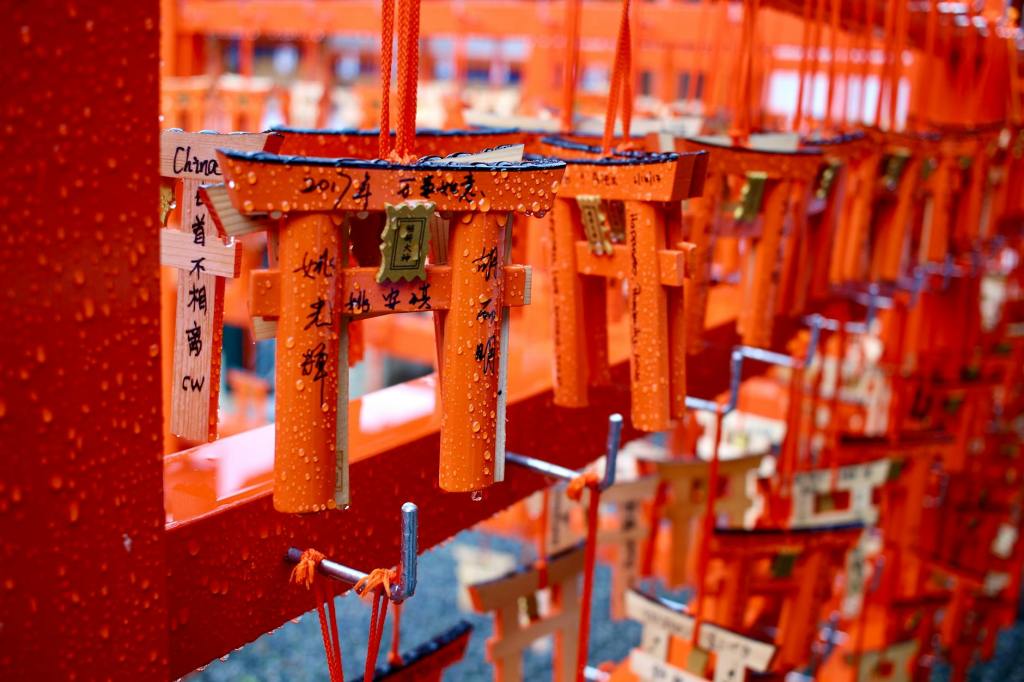
Author: Celia Jimenez, Plano High School📍Plano, TX During 1200-1450 there was a significant expansion of the trade routes all over Asia, driven by many coexisting factors. Asia experienced a period of significant economic and cultural transformation, driven by the expansion of trade routes across the continent. The Silk Roads grew vastly across the world, contributing to an exchange of goods from several cultures and other … Continue reading Cultural Diversity in Silk Road-Era Asia

Polytheism

Author: Bryan Waltzer, Plano High School📍Plano, TX Polytheism, the belief in worship of more than one god was prevalent throughout the West and Middle East, but coupled with people’s economic hardship and hope for a better life a significant shift in religious ideas was bound to happen. Monotheism, the belief in a single supreme deity, served as a foundational principle for many of the region’s … Continue reading Polytheism

Argument on Human Rationality

Author: Jamie Weltzer, Granada High School📍Livermore, CA Rationality is a distinguishable human characteristic that allows people to reason and make choices that benefit them in the long term. Imagine driving home late one rainy night when you encounter a homeless man unexpectedly stumbling in front of your car. Even though you hit the brakes as fast as you could, you collide with him. No one … Continue reading Argument on Human Rationality

AI’s Implications for Art and Artists

Author: Helena Brady, Granada High School📍Livermore, CA This article’s author is worried about AI’s implications on the future of creativity for the art industry. Throughout the essay, Jessica raises several important concerns, including the copyright implications of AI-generated art, the potential for AI to stifle creativity, and the dangers of corporate control over artistic production. A few of the most significant rhetorical choices used were … Continue reading AI’s Implications for Art and Artists

Elektra’s Relationship with Lament in An Oresteia

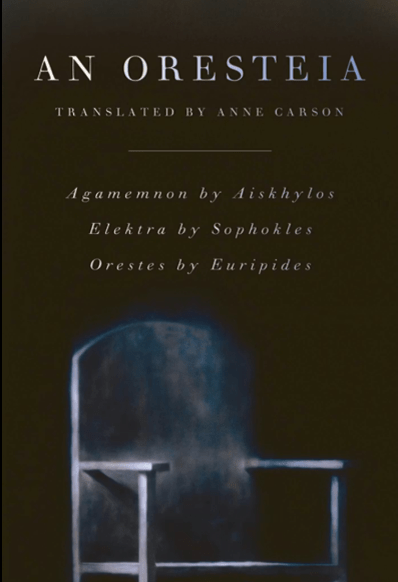
Author: Harley Elizabeth, Edison High School📍Stockton, CAObjective sadness is associated with the display of negative emotions and is something the people around us encourage us to get rid of. In the ancient Greek play, An Oresteia, the character of Elektra received similar feedback. This can be a symbol of her story, and the fact that, as a person with a strong internal moral compass, as … Continue reading Elektra’s Relationship with Lament in An Oresteia

The Effects of Globalization Worldwide

Author: Celia Jimenez, Plano High School📍Plano, TX The late 20th century witnessed a surge in globalization, driven by several factors. The end of the Cold War removed many political barriers which created an environment that would allow increased communication and cooperation between different countries. Additionally, technological advancements, especially in communication and transportation, connected markets and made long-distance communication infinitely easier. The rise of neoliberal economic … Continue reading The Effects of Globalization Worldwide

Imperialism and the Industrial Revolution

Author: Ronak Gupta, Bear Creek High School📍Stockton, CA Imperialism in the 19th century arose due the Industrial Revolution, which began in Britain in the late 18th century. It transformed European economies and societies, leading to a massive increase in production and the need for new markets to sell goods. This drove European powers to seek control over distant lands rich in resources and potential consumers. … Continue reading Imperialism and the Industrial Revolution

Vox Populi, Vox Dei?

Author: Clarissa Ho, Casco Bay High School📍Portland, ME Vox Populi, Vox Dei? Vox populi, vox dei, translated from Latin, roughly means that the voice of the people is the same as the voice of god, a common sentiment used by those expressing anti-monarchical sentiment in favor of replacing it with a democracy. Today, in democratic governments it is also used when people en masse are … Continue reading Vox Populi, Vox Dei?