Erupting Under the Surface

Author: Harley Elizabeth, Edison High School📍Stockton, CAAll we see of the world is what passes through our eyes. The things we experience and the things that are ingrained in us based on our experiences affect every inch of we process what passes through our eyes, and then our interpretation of that affects the next thing we see. It is through this that beliefs, impressions, stereotypes, … Continue reading Erupting Under the Surface

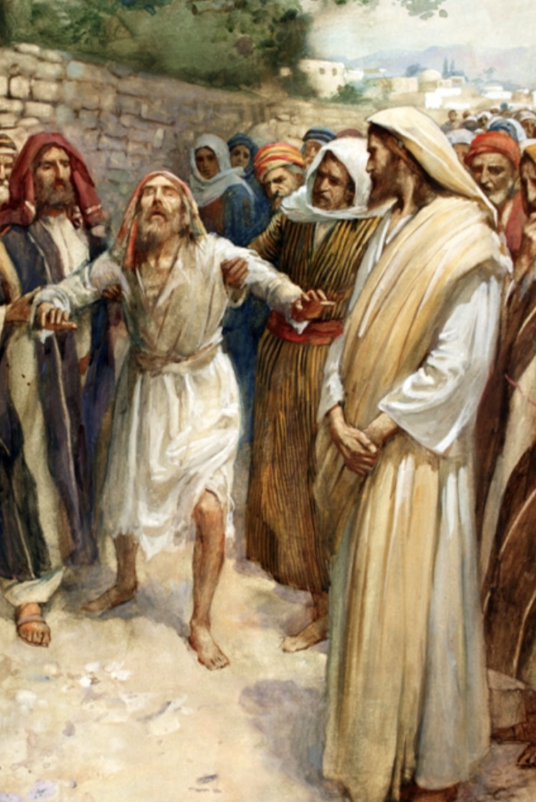
So Far, Yet So Close

Author: Henry Lai, Plano High School📍Plano, TX Brave New World Final Draft Often, when people meet others they disagree with or are different from, their instinct is to act in ways that divide them further from those people. Aldous Huxley warns against this in his portrayal of John the Savage, a character in his novel, Brave New World, by drawing attention to how John, in … Continue reading So Far, Yet So Close

Looking at “The Rainbow” by D.H. Lawrence through the lens of syntax

Author: David Easterling, Rio Cazadero High School📍Sacramento, CA Lawrence employs varied syntax, repetition, and contrasting imagery to capture the woman’s dissatisfaction with her current situation and her desire to pursue knowledge deeper than she believes exists in her simple, rural community.  This passage from D.H. Lawrence’s novel, The Rainbow, introduces a woman who is discontented with and bored by the mundane and worldly nature of … Continue reading Looking at “The Rainbow” by D.H. Lawrence through the lens of syntax

A Reconstruction of Imagined Dialogue in The Truman Show (1999)

Author: Ishita Kalra, Dougherty Valley High School📍San Ramon, CA Dialogue: Truman: This is different. Everybody seems to be in on it. Marlon: I’ve been your best friend since we were seven years old, Truman. The only way we ever made it through school was by cheating on each other’s test papers. Truman chuckles Marlon: Jesus, they were identical. But I always felt safe knowing that. … Continue reading A Reconstruction of Imagined Dialogue in The Truman Show (1999)

Analysis of “Moon Tiger” by Penelope Lively

Author: Amalia Reyes, Union High School📍Vancouver, Washington In this passage from the novel Moon Tiger, the author uses violent diction when describing the children to show the childrens’ viciousness towards each other and varying perspectives, which is caused by the sense of rivalry they feel between themselves, and how the mother’s lack of involvement in their relationship and in each of th lives of the … Continue reading Analysis of “Moon Tiger” by Penelope Lively

A Look at the Naming in Julie Otsuka’s “When The Emperor was Divine”

Author: Rohan Ahuja, West Union High School📍West Union, OH Authors choose the names of their literary characters with great care. In “When the Emperor was Divine” author Julie Otsuka depicts the physical and psychological struggles a Japanese family in the 1940s is forced to endure as a result of being forcibly displaced to a World War II-era internment camp for Japanese Americans. Her choice to … Continue reading A Look at the Naming in Julie Otsuka’s “When The Emperor was Divine”

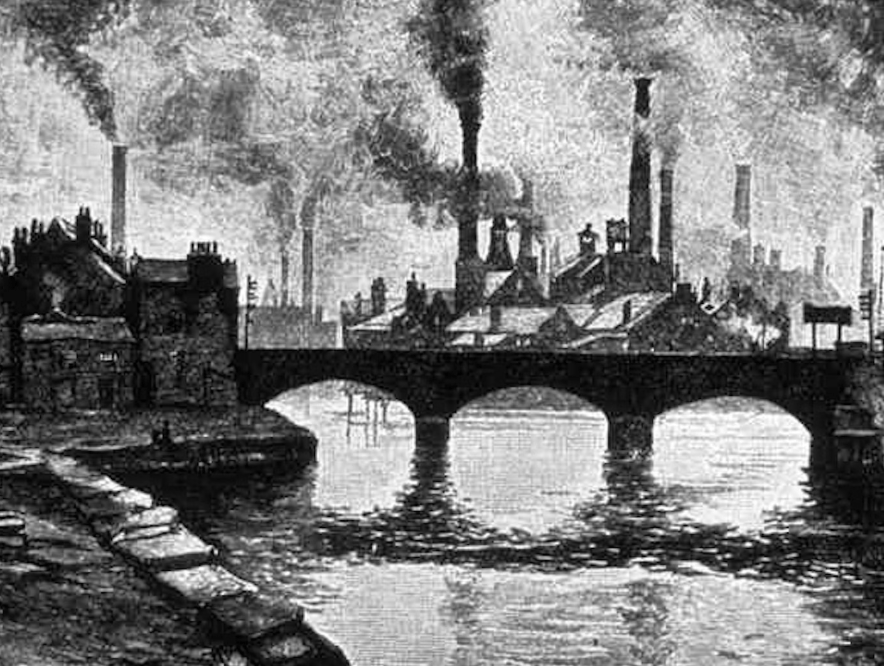
How “London’s Summer Morning” by Mary Robinson is Characterized as a Source of Inspiration for the Author.

Author: Henry Tan, Heritage High School📍Vancouver, Washington In “London’s Summer Morning” by author Mary Robinson structures the poem, through the use of enjambment and iambic pentameter to create a smooth, flowing, and continuous poem to characterize this poem as a source of inspiration for herself. The structure of this poem creates a sense of continuity and allows it to be read with a certain flow … Continue reading How “London’s Summer Morning” by Mary Robinson is Characterized as a Source of Inspiration for the Author.

The Use of Rhythm in “Thou Blind Man’s Mark” by Phillip Sydney.

Author: Henry Tan, Heritage High School📍Vancouver, Washington In “Thou Blind Man’s Mark”, author Sir Phillip Sidney uses contrasting sounds and varies the rhythm of the poem to convey that Desire is a perpetual mechanism that drives all acts, sinful and virtuous.  Throughout this poem, Sidney uses differing cacophonous and euphonious sounds to represent that the speaker believes that he has defeated desire. The first line … Continue reading The Use of Rhythm in “Thou Blind Man’s Mark” by Phillip Sydney.

How Kazuo Ishiguro Warns Us of AI in “Klara and the Sun”

Author: Sophia Tan, Heritage High School📍Vancouver, Washington In Klara and the Sun, a book written during the growing popularity and advancement of AI, Kazuo Ishiguro uses characterization and juxtaposition of this characterization of the different people in the book to show that we should also be wary of introducing it into our society. Firstly, Ishiguro characterizes the richer characters and the poorer characters in this … Continue reading How Kazuo Ishiguro Warns Us of AI in “Klara and the Sun”

Comparing Early Political Systems in the Middle East and Asia

Author: Brian Rocha, Plano High School📍Plano, TX From 1200 to 1750, the political structures in the Middle East and Asia significantly transformed due to the rise of empires like the Ottoman in the Middle East and the Qing dynasty / Mughal Empire in Asia. During this period, Empires were gaining large land bases and distinctive trading methods, allowing them to vastly increase their population sizes … Continue reading Comparing Early Political Systems in the Middle East and Asia