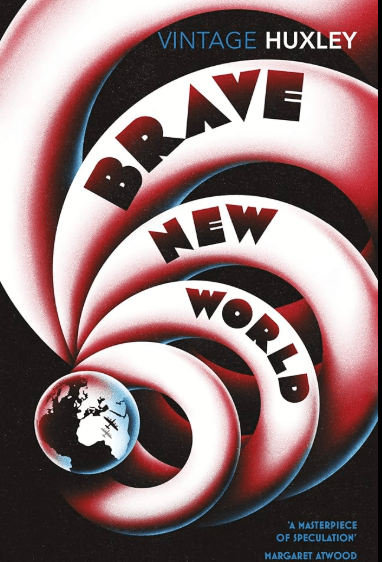
So Far, Yet So Close

Author: Henry Lai, Plano High School📍Plano, TX Brave New World Final Draft Often, when people meet others they disagree with or are different from, their instinct is to act in ways that divide them further from those people. Aldous Huxley warns against this in his portrayal of John the Savage, a character in his novel, Brave New World, by drawing attention to how John, in … Continue reading So Far, Yet So Close

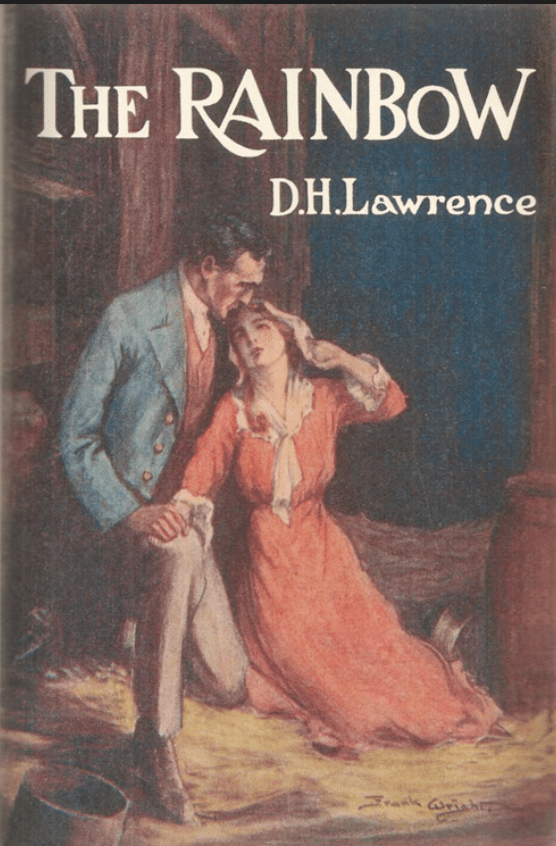
Looking at “The Rainbow” by D.H. Lawrence through the lens of syntax

Author: David Easterling, Rio Cazadero High School📍Sacramento, CA Lawrence employs varied syntax, repetition, and contrasting imagery to capture the woman’s dissatisfaction with her current situation and her desire to pursue knowledge deeper than she believes exists in her simple, rural community.  This passage from D.H. Lawrence’s novel, The Rainbow, introduces a woman who is discontented with and bored by the mundane and worldly nature of … Continue reading Looking at “The Rainbow” by D.H. Lawrence through the lens of syntax

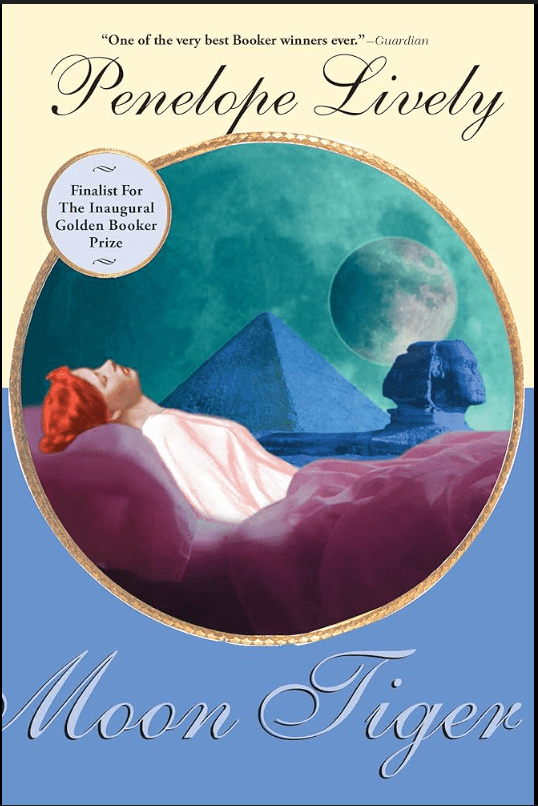
Analysis of “Moon Tiger” by Penelope Lively

Author: Amalia Reyes, Union High School📍Vancouver, Washington In this passage from the novel Moon Tiger, the author uses violent diction when describing the children to show the childrens’ viciousness towards each other and varying perspectives, which is caused by the sense of rivalry they feel between themselves, and how the mother’s lack of involvement in their relationship and in each of th lives of the … Continue reading Analysis of “Moon Tiger” by Penelope Lively

A Look at the Naming in Julie Otsuka’s “When The Emperor was Divine”

Author: Rohan Ahuja, West Union High School📍West Union, OH Authors choose the names of their literary characters with great care. In “When the Emperor was Divine” author Julie Otsuka depicts the physical and psychological struggles a Japanese family in the 1940s is forced to endure as a result of being forcibly displaced to a World War II-era internment camp for Japanese Americans. Her choice to … Continue reading A Look at the Naming in Julie Otsuka’s “When The Emperor was Divine”

How “London’s Summer Morning” by Mary Robinson is Characterized as a Source of Inspiration for the Author.

Author: Henry Tan, Heritage High School📍Vancouver, Washington In “London’s Summer Morning” by author Mary Robinson structures the poem, through the use of enjambment and iambic pentameter to create a smooth, flowing, and continuous poem to characterize this poem as a source of inspiration for herself. The structure of this poem creates a sense of continuity and allows it to be read with a certain flow … Continue reading How “London’s Summer Morning” by Mary Robinson is Characterized as a Source of Inspiration for the Author.

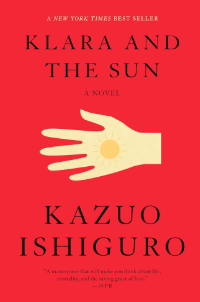
How Kazuo Ishiguro Warns Us of AI in “Klara and the Sun”

Author: Sophia Tan, Heritage High School📍Vancouver, Washington In Klara and the Sun, a book written during the growing popularity and advancement of AI, Kazuo Ishiguro uses characterization and juxtaposition of this characterization of the different people in the book to show that we should also be wary of introducing it into our society. Firstly, Ishiguro characterizes the richer characters and the poorer characters in this … Continue reading How Kazuo Ishiguro Warns Us of AI in “Klara and the Sun”

Polytheism

Author: Bryan Waltzer, Plano High School📍Plano, TX Polytheism, the belief in worship of more than one god was prevalent throughout the West and Middle East, but coupled with people’s economic hardship and hope for a better life a significant shift in religious ideas was bound to happen. Monotheism, the belief in a single supreme deity, served as a foundational principle for many of the region’s … Continue reading Polytheism

Argument on Human Rationality

Author: Jamie Weltzer, Granada High School📍Livermore, CA Rationality is a distinguishable human characteristic that allows people to reason and make choices that benefit them in the long term. Imagine driving home late one rainy night when you encounter a homeless man unexpectedly stumbling in front of your car. Even though you hit the brakes as fast as you could, you collide with him. No one … Continue reading Argument on Human Rationality

AI’s Implications for Art and Artists

Author: Helena Brady, Granada High School📍Livermore, CA This article’s author is worried about AI’s implications on the future of creativity for the art industry. Throughout the essay, Jessica raises several important concerns, including the copyright implications of AI-generated art, the potential for AI to stifle creativity, and the dangers of corporate control over artistic production. A few of the most significant rhetorical choices used were … Continue reading AI’s Implications for Art and Artists

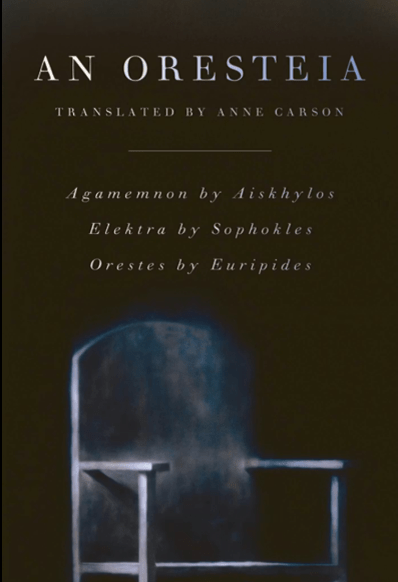
Elektra’s Relationship with Lament in An Oresteia

Author: Harley Elizabeth, Edison High School📍Stockton, CAObjective sadness is associated with the display of negative emotions and is something the people around us encourage us to get rid of. In the ancient Greek play, An Oresteia, the character of Elektra received similar feedback. This can be a symbol of her story, and the fact that, as a person with a strong internal moral compass, as … Continue reading Elektra’s Relationship with Lament in An Oresteia