Argument on Human Rationality

Author: Jamie Weltzer, Granada High School📍Livermore, CA Rationality is a distinguishable human characteristic that allows people to reason and make choices that benefit them in the long term. Imagine driving home late one rainy night when you encounter a homeless man unexpectedly stumbling in front of your car. Even though you hit the brakes as fast as you could, you collide with him. No one … Continue reading Argument on Human Rationality

AI’s Implications for Art and Artists

Author: Helena Brady, Granada High School📍Livermore, CA This article’s author is worried about AI’s implications on the future of creativity for the art industry. Throughout the essay, Jessica raises several important concerns, including the copyright implications of AI-generated art, the potential for AI to stifle creativity, and the dangers of corporate control over artistic production. A few of the most significant rhetorical choices used were … Continue reading AI’s Implications for Art and Artists

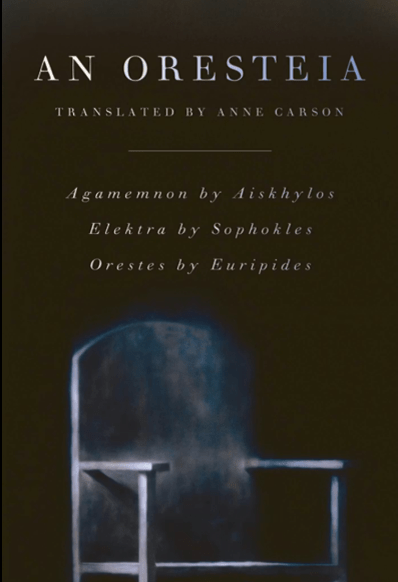
Elektra’s Relationship with Lament in An Oresteia

Author: Harley Elizabeth, Edison High School📍Stockton, CAObjective sadness is associated with the display of negative emotions and is something the people around us encourage us to get rid of. In the ancient Greek play, An Oresteia, the character of Elektra received similar feedback. This can be a symbol of her story, and the fact that, as a person with a strong internal moral compass, as … Continue reading Elektra’s Relationship with Lament in An Oresteia

The Effects of Globalization Worldwide

Author: Celia Jimenez, Plano High School📍Plano, TX The late 20th century witnessed a surge in globalization, driven by several factors. The end of the Cold War removed many political barriers which created an environment that would allow increased communication and cooperation between different countries. Additionally, technological advancements, especially in communication and transportation, connected markets and made long-distance communication infinitely easier. The rise of neoliberal economic … Continue reading The Effects of Globalization Worldwide

Imperialism and the Industrial Revolution

Author: Ronak Gupta, Bear Creek High School📍Stockton, CA Imperialism in the 19th century arose due the Industrial Revolution, which began in Britain in the late 18th century. It transformed European economies and societies, leading to a massive increase in production and the need for new markets to sell goods. This drove European powers to seek control over distant lands rich in resources and potential consumers. … Continue reading Imperialism and the Industrial Revolution

Vox Populi, Vox Dei?

Author: Clarissa Ho, Casco Bay High School📍Portland, ME Vox Populi, Vox Dei? Vox populi, vox dei, translated from Latin, roughly means that the voice of the people is the same as the voice of god, a common sentiment used by those expressing anti-monarchical sentiment in favor of replacing it with a democracy. Today, in democratic governments it is also used when people en masse are … Continue reading Vox Populi, Vox Dei?

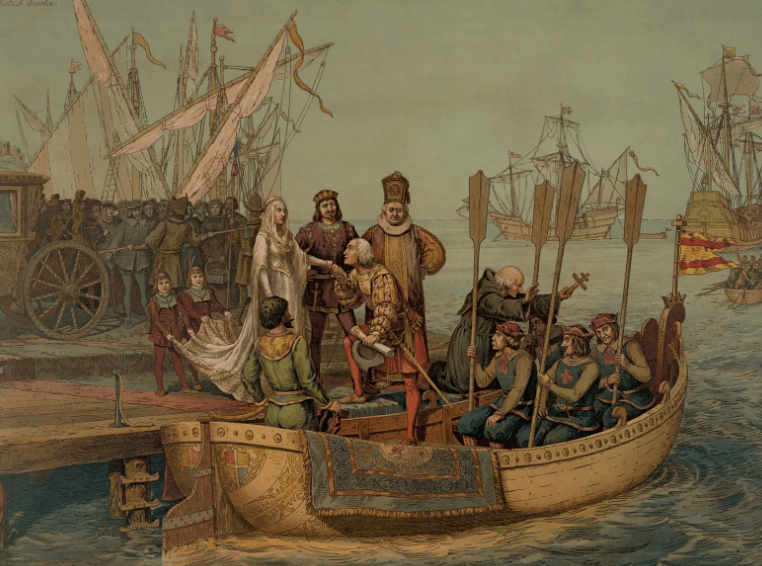
Changing European Empires in the New World

Author: Hannah Lee, Franklin High School📍Portland, OR From the 16th through 18th century, European empires had transformed the social and economic systems of the New World. Starting off with Christopher Colombus stumbling upon a new continent while trying to find a route to India, to an expansion of the European empire of a Mercantalist relationship with its colonies in the Americas. The inhabitants of the … Continue reading Changing European Empires in the New World

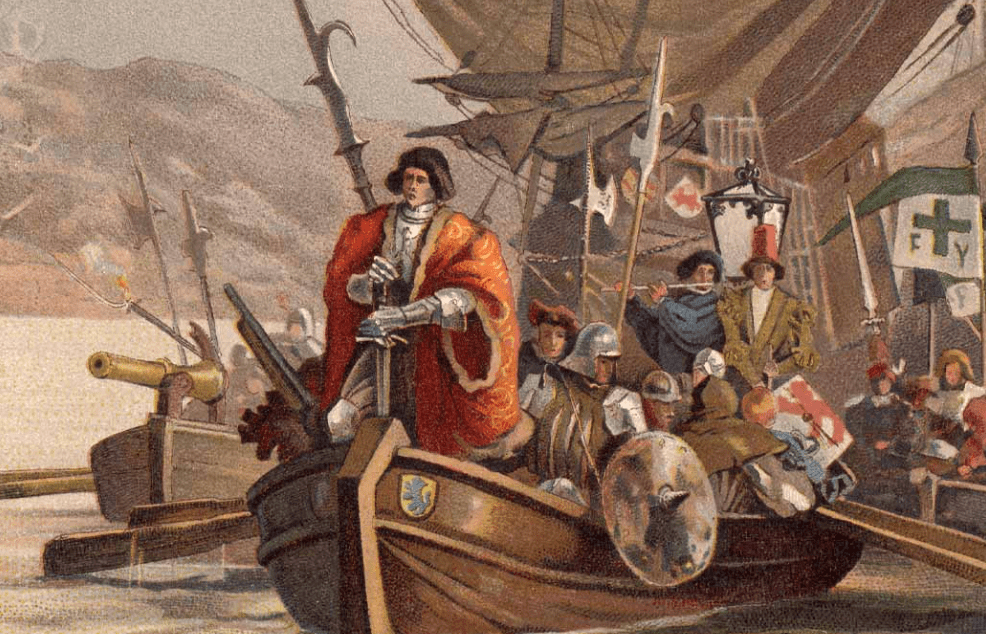
Territorial Expansion by 16th and 17th Century European Countries

Author: Ecila Carpin, West Campus High School📍Sacramento, CA By the 16th and 17th centuries, the European countries were in an arms race to expand their power and wealth through colonization and trade with the New World. The need to expand trading access to Asia led to the discovery of a whole new continent, allowing the Europeans to utilize the new resources from the Old World … Continue reading Territorial Expansion by 16th and 17th Century European Countries

Technology and the Catholic Church

Author: Rachel Wendel, Sunset High School📍Portland, OR By the end of the Middle Ages, the Catholic Church had a lot of power and authority over the people of Europe as it owned approximately thirty-seven percent of all the land in Europe while making money off charging people a steady ten percent tithing for their income. Some people like Martin Luther were questioning the Catholic church’s … Continue reading Technology and the Catholic Church

Revolutions and Political Structures in the Americas Between 1750-1850

Author: Ecila Carpin, Orion High School📍Yerba Buena, CA Between 1750 and 1850, Europe and the Americas endured several revolutions that transformed politics and social life. The Enlightenment brought about revolutionary ideologies of liberty, equality, and popular sovereignty that inspired the American Revolution), the French Revolution, and the Latin American revolutions. In this way, these movements overturned monarchies, colonial powers, and rigid hierarchies. Where such revolutions … Continue reading Revolutions and Political Structures in the Americas Between 1750-1850