Author: Grace Li
We are so excited to welcome The Lotus Paper for this installment of The Megaphone’s Student Spotlight Series, designed to highlight the work of youth. With us are Krithikha and Swati, the founders of The Lotus Paper, a literary magazine dedicated to uplifting South Asian voices through creativity.
Q1. What specific moment or experience inspired you to start The Lotus Paper?
Krithikha: Initially, Swati and I founded The Lotus Paper with a mission to bring greater recognition to underrepresented literary classics and genres and, in doing so, enrich the literary community. As our work progressed, however, our vision began to evolve. We realized that literature, art, and representation could celebrate overlooked works, while also serving as powerful tools for addressing broader social issues.
That realization led us to focus more intentionally on South Asian representation. As two Brown girls, we felt a personal responsibility to create space for greater appreciation of Indian culture and identity. At the same time, we noticed a growing sense of indifference among many Indian American youth toward their own cultural roots. Because Bothell is home to a large Tamil community, we saw an opportunity to respond in a meaningful way by expanding our platform and redesigning The Lotus Paper as a bilingual publication.
Through thelotuspapertamil_, we promote a deeper love for Tamil literature, language, and expression. In our English publication, we have also begun exploring the richness of brown identity through features such as our “South Asian Woman in Media” thread. Beyond this, we continue working to highlight other communities as well. For example, our most recent issue, Testimonio, centers ethnic voices and storytelling traditions.
Launching this issue reminded us of our broader purpose: to help preserve the many beautiful cultures that shape America and to share their values, stories, and perspectives through the art of writing.
-Krithikha |Co-founder of the Lotus Lit mag, Realistic Fiction Editor|
Q2. The Lotus Paper Lit Mag is focused on South Asian representation: what does “representation” look like for you as a magazine, and how does that guide the pieces you publish?
Swati: Because both our editors are South Indian, we decided to make The Lotus Paper inspired by our culture through the lotus flower and cultural imagery, initially. We also decided to do this through the Tamil version, which Krithikha runs. But like Krithikha said, as our mission evolved, our idea of representation evolved as well. From simply incorporating South Asian “aesthetics”, we decided to focus more deeply on our culture. Through our series, South Asian Women & Media, we not only appreciate the unique aspects of our culture – such as music and films – but we also critique and analyze social issues embedded into our culture. These issues, such as colorism and feminism in our culture, are often underlooked. We want to not only allow Brown girls to feel represented, but give a voice to those who’ve been told they’re not enough in the name of culture.
We not only focus on South Asian cultures as well. We encourage young writers and artists of all ethnicities, races, genders, and sexual orientations to submit and take part in our initiatives. Our second issue, Testimonio, does just this by allowing all cultures and voices to talk about systemic injustices they have faced.
Q3. How do you choose themes for each issue, especially when tackling topics that might be sensitive or deeply personal? What does the theme for your new issue, “testimonio”, mean for you in specific and for other South Asian creatives?
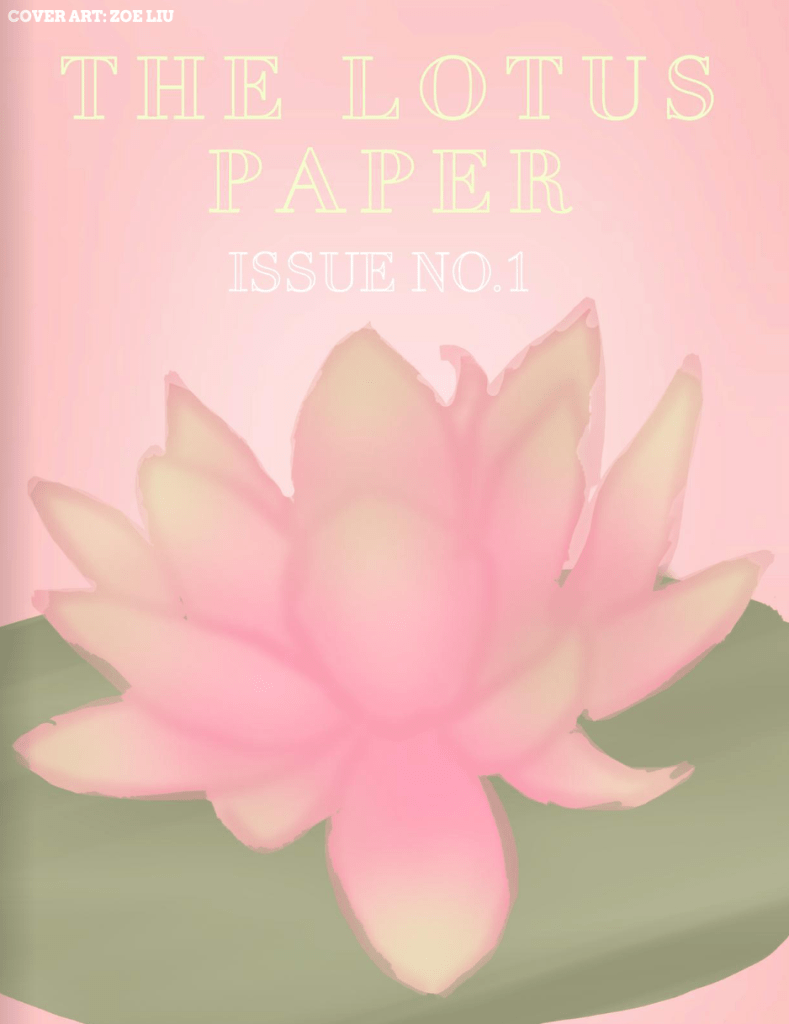
Krithikha: We choose themes for each issue by looking at current social events that connect to culture, identity, and lived experience, as well as topics that are often underrepresented in the literary community. One example is our first issue, Paladins, which centered on resilience and awakening. That theme explored societal growth and the ongoing fight for justice across many communities. It reflected the injustices faced by different cultures and ethnic groups, while reinforcing our mission to celebrate cultural nuance and examine deeper themes such as oppression, resistance, and personal and collective awakening.
For our most recent issue, Testimonio, we were inspired by recent events involving ICE and their impact on the Latinx and other ethnic communities. We wanted the issue to honor the struggles that the community has been facing, while also acknowledging the many other cultural hardships affecting marginalized groups more broadly. Our goal was to create space for meaningful and sometimes difficult conversations. Ultimately, the issue represents our solidarity with the many distinct and valuable cultures that shape this country.
Q4. How can students aid in The Lotus Paper’s work?
Swati: Students aged 13-20 can aid in The Lotus Paper’s work by submitting to our issues and blog. Our issues are more focused on deeper themes and topics like social justice and culture, such as Testimonio. We ask that all submitters take the topics seriously.
Our blogs provide more opportunities. We have a thread where experienced writers and artists can share tips and advice on getting published, winning competitions, and more importantly, finding a voice or vision. We’ve had our own ups and downs with writing, as editors in chief, and we hope to provide other young writers and artists with a pedestal to help them amplify their visions and voices. We also have Words Unbound, where submitters can share their writing and art related to any social justice or community-related topic. Lastly, we have our South Asian Women & Media blog. Despite the name, we hope to have young students, especially women, of all cultures join and discuss how their culture has oppressed them – whether through discriminatory customs, suffocating beauty standards, or anything else. We also invite you to submit to our Share your Stories form, where you can share any of your stories relating to your own experiences with representation, body image, and/or empowerment relating to media. Again, while we are focused on South Asian women in specific, we invite anyone 13-20 to submit.
Thank you so much to The Lotus Paper for joining us in this interview! Make sure to find their work at this link: linktr.ee/TheLotusPaperLitMag
 The Megaphone