Author: Eshwar Cherkuri
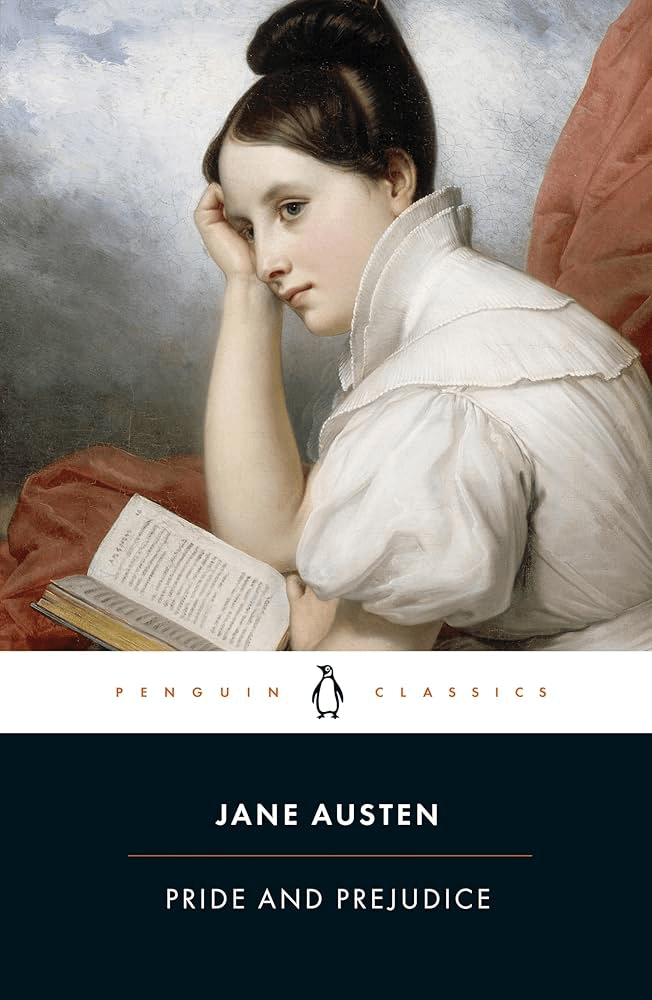
Jane Austen’s Pride and Prejudice tells the story of Elizabeth Bennet and her sisters as they navigate a highly judgmental and class-conscious society in search of marriage. The Bennet family lives in Longbourn, and because there is no male heir to inherit the estate, Mrs. Bennet is determined to marry her daughters off to wealthy men. Elizabeth, however, stands apart from her family. She is intelligent, witty, and independent, but she is also quick to judge others based on her own biases. Throughout the novel, characters act based on pride in their social status while also forming prejudices about others. Over time, Elizabeth learns to look beyond these assumptions, especially in her changing perception of Mr. Darcy, whose true character proves to be honorable and kind despite his reserved nature. Their relationship develops through misunderstandings, reflection, and personal growth, while the novel as a whole challenges social class expectations, family pressures, and values in 19th-century England.
Elizabeth Bennet, the second eldest daughter, is defined by her intelligence and strong sense of individuality. Unlike her sisters, she does not believe that marriage should be based on wealth or social standing. Instead, she seeks genuine love and mutual respect. Her confidence in her ability to judge others, however, becomes one of her main flaws. For example, when she sarcastically remarks, “Stupid men are the only ones worth knowing after all” (108), she criticizes society’s expectations while also revealing her own contradictions, since she values intelligence in a partner. Similarly, her early skepticism toward Darcy shows her independence, but also her tendency to form judgments too quickly. Over time, Elizabeth realizes that her assumptions are not always correct, leading to important personal growth.
Fitzwilliam Darcy, in contrast, begins as a proud and socially reserved character shaped by his wealth and status as the owner of Pemberley. At first, he is perceived as arrogant and dismissive, largely because of his discomfort in social situations. As he admits, “I certainly have not the talent… of conversing easily with those I have never seen before” (122), revealing that his behavior stems more from insecurity than superiority. Despite his initial pride, Darcy is loyal, genuine, and capable of change. His growing love for Elizabeth challenges his belief in the importance of status, and he begins to value character and emotional connection over social expectations. This transformation allows him to meet Elizabeth on equal terms.
Mr. Collins serves as a contrast to both Elizabeth and Darcy. As the heir to the Bennet estate, he represents the rigid and often absurd social norms of the time. He is overly formal, self-important, and entirely dependent on the approval of Lady Catherine. His view of marriage is purely practical, motivated by duty and social advancement rather than love. His exaggerated politeness, such as claiming he is always ready to offer “delicate compliments” (49), highlights his lack of sincerity. His inability to understand Elizabeth’s rejection further emphasizes his shallow and transactional view of relationships.
One of the central themes of the novel is pride. Darcy’s pride in his social status initially prevents him from expressing his feelings respectfully, while Elizabeth’s pride in her judgment causes her to misinterpret his character and trust Wickham. Both characters must confront these flaws in order to grow. Elizabeth’s realization—“I… have prided myself on my discernment!” (144)—marks a turning point, as she begins to question her assumptions and recognize her own bias. Similarly, characters like Lady Catherine demonstrate extreme pride, believing their status gives them authority over others’ lives, particularly in matters of marriage.
Closely connected to pride is the theme of prejudice. Throughout the novel, characters judge one another based on class, appearance, and reputation rather than personal experience. Elizabeth’s prejudice against Darcy, influenced by Wickham’s false stories, prevents her from seeing his true nature. She later reflects on this flaw, admitting that her dislike was formed “without any reason” (155). This realization shows her growth in self-awareness. The novel suggests that prejudice acts as a barrier to genuine understanding and connection, and overcoming it is necessary for meaningful relationships.
The theme of family also plays a significant role in shaping the characters and their decisions. The Bennet family reflects the societal pressure placed on women to marry well, with Mrs. Bennet focusing almost entirely on securing advantageous matches for her daughters. This often leads to tension, as Elizabeth values personal happiness over social advancement. At the same time, family reputation strongly influences social standing, as seen in concerns over Lydia’s reckless behavior. Elizabeth recognizes that one family member’s actions can affect everyone, highlighting the importance of responsibility and awareness within the family structure.
Several key scenes illustrate these themes and character developments. Darcy’s first proposal is a major turning point, as his confession of love is overshadowed by his emphasis on Elizabeth’s lower social status. His pride offends Elizabeth, leading her to reject him and accuse him of arrogance and selfishness. This moment forces both characters to reflect on their behavior and begin changing. Another important scene is Elizabeth’s interaction with Lady Catherine, where she confidently challenges social expectations and refuses to be intimidated. This demonstrates her independence and willingness to stand by her values.
Finally, Elizabeth’s visit to Pemberley allows her to see Darcy in a new light. Through the housekeeper’s praise of his kindness and generosity, Elizabeth begins to reconsider her earlier judgments. This moment is crucial in reshaping her understanding of Darcy’s character and deepening their relationship. It shows how direct experience, rather than assumption, leads to true understanding.
In conclusion, Pride and Prejudice explores the impact of pride, prejudice, and social expectations on relationships and personal growth. Through Elizabeth and Darcy’s journey, the novel demonstrates that overcoming bias and valuing character over status leads to deeper connections and self-awareness. Austen ultimately critiques the rigid class system of her time while emphasizing the importance of individuality, empathy, and genuine love.
 The Megaphone