Author: Eshwar Cherkuri
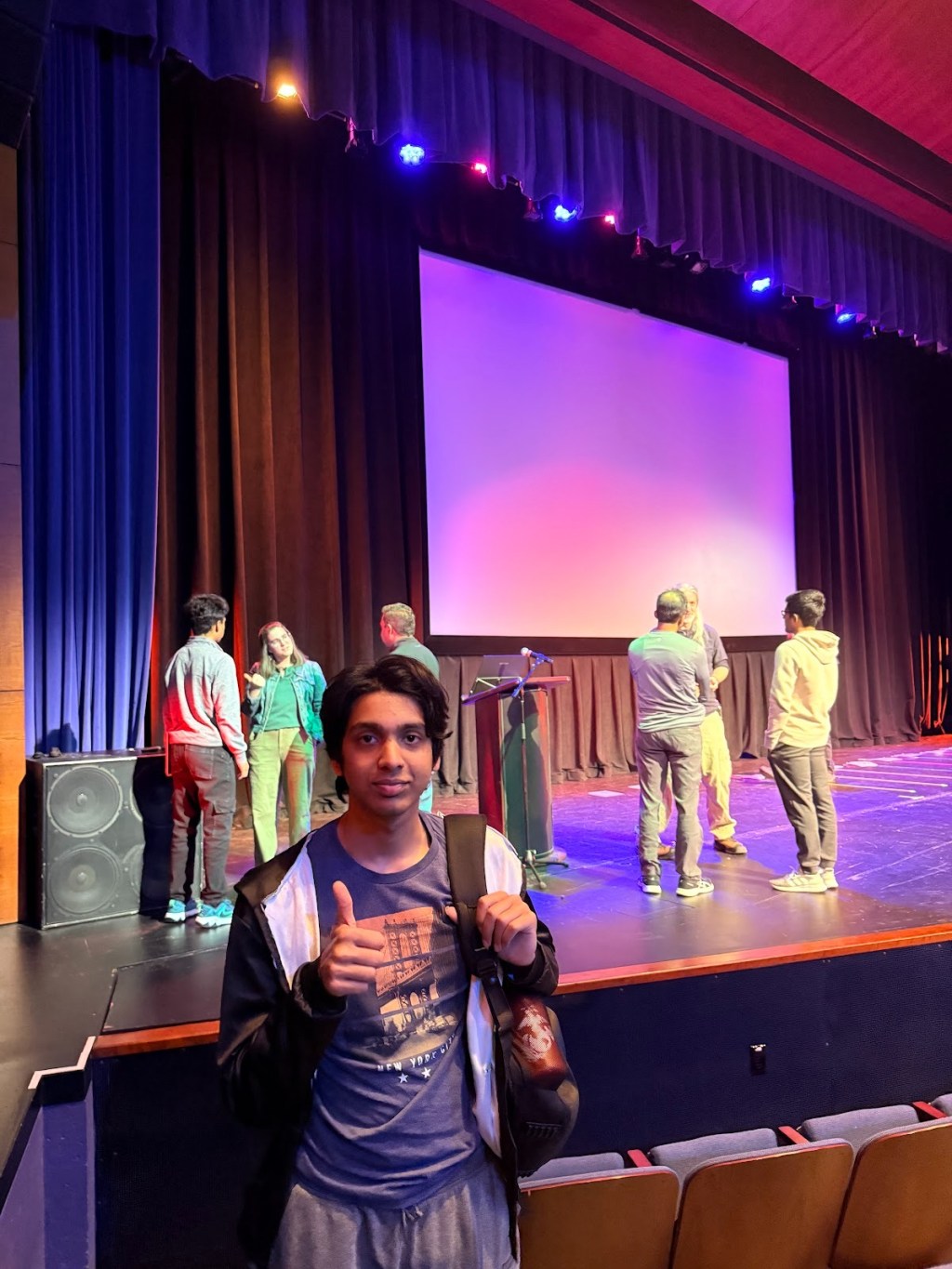
The talk, led by Kristi and Sean, two staff scientists at Quantum Lyne, was held to introduce students to quantum computing and the problems it is built to solve. The speakers discussed how classical computers struggle when dealing with cryptography, predictive chemistry, and nuclear structure, and explained why quantum hardware changes what is possible. They discussed qubits, superposition, entanglement, and how quantum systems are built using superconducting materials cooled to extremely low temperatures inside a chandelier-shaped refrigerator at Fermilab. Quantum computers must operate near absolute zero because heat creates random motion in particles, and that random motion destroys the fragile wave-like states that qubits depend on to work. The biggest takeaway was that just 300 qubits hold more possible states than 10 billion classical transistors, showing how quickly the scale of quantum computing grows compared to anything classical computers can do and how efficiently quantum computers store information.
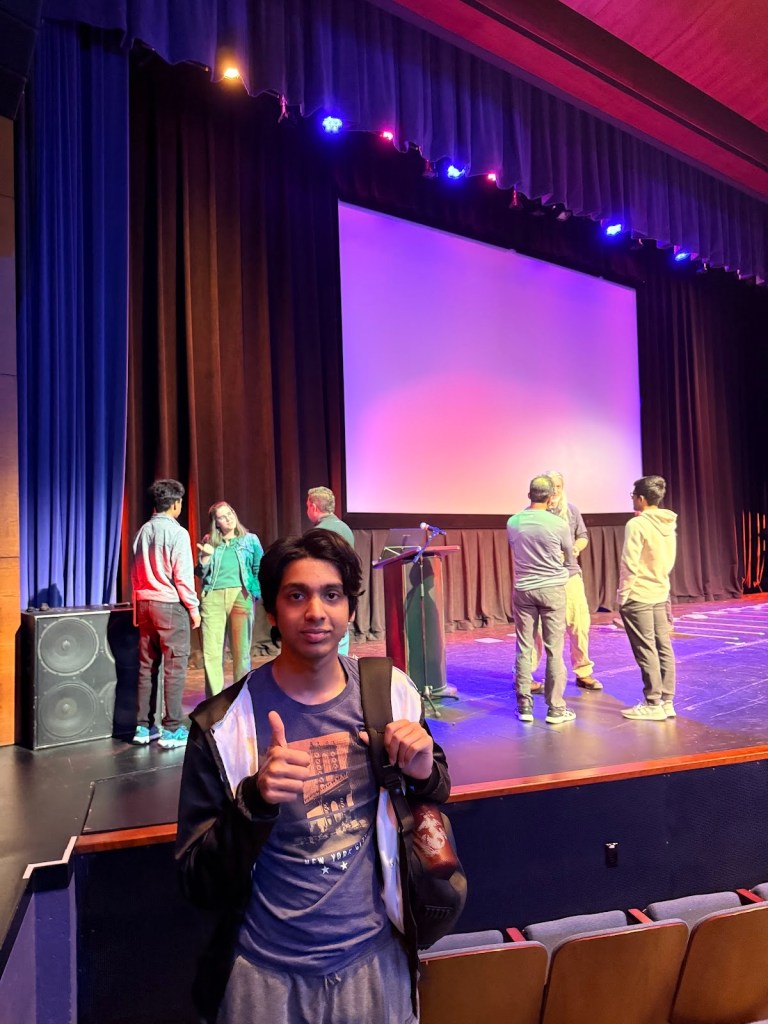
I asked the speakers one question: “If heat destroys the qubit states and the system has to stay near absolute zero, is portable quantum computing even possible?”
The speakers said that the chandelier refrigerator design is the current standard because it isolates the qubits from outside heat and noise. Portable quantum computing is not close to practical yet, and the focus right now is on making the systems more stable, not smaller.
This makes it clear that the biggest gap between quantum computing and everyday use is not the math or the theory. It is the physical engineering problem of keeping a system cold and stable at scale. Since I am still exploring my career options, I am more interested in the hardware side of technology, and this talk showed me that it is at the forefront of new technology. This talk also showed me that they need people who understand systems design, thermodynamics, and programming all at once, which lines up with the kind of broad technical background I am planning to build.
I came in thinking of quantum computing as something inaccessible and mostly theoretical, but the speakers framed it as an engineering problem that is being solved right now with real hardware at real labs like Fermilab. The connection they drew between quantum mechanics and practical problems in cryptography, chemistry, and AI made the field feel relevant to things I already care about, especially data science and research. Seeing that the physical hardware is one of the biggest blockers, not just the theory, made me realize that understanding physics concepts like thermodynamics and hardware systems is something I should pay more attention to, not just code. The next step I want to take is to look more seriously at MATLAB, as it is widely used by engineers, I am taking a class in it right now, and I want to be able to follow the technical side of this field as it grows. I also want to look into whether there are any quantum computing programs or research opportunities I could get involved with at the undergraduate level. Although I major in cognitive science, I believe that research into this technical aspect of it does not require specialization in quantum computing to benefit from understanding it.
 The Megaphone