Author: Grace Li
We are so excited to speak with Alicia Leung, the founder of Lawpedia, in this interview, to discuss how her organization works toward legal education as a means of change and empowerment.
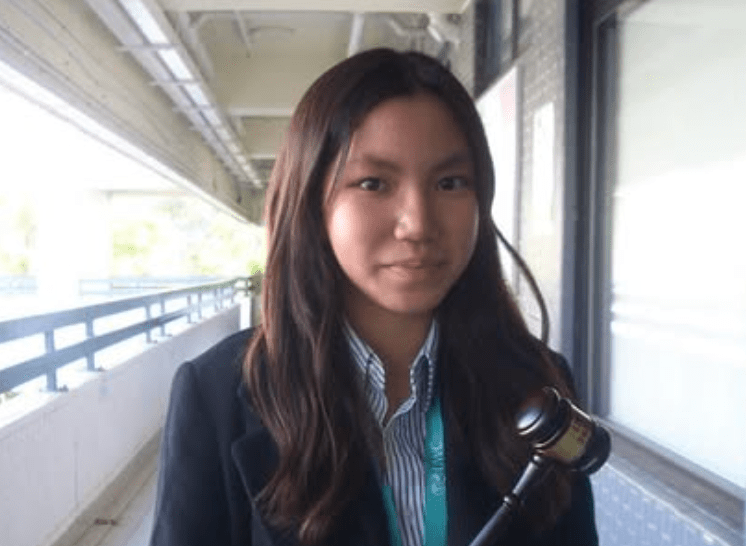
Q1. Please introduce yourself and Lawpedia!
I’m Alicia, a sophomore from Hong Kong who’s a student passionate about making legal education accessible to everyone. In 2023, I founded Lawpedia, a student-led organization dedicated to demystifying the law and sharing legal knowledge beyond traditional classroom settings.
Lawpedia was born from the belief that understanding your legal rights and the legal system shouldn’t be a privilege limited to law students. We create educational content, provide free resources to help students and community members understand practical legal concepts that affect their daily lives.
Since our founding, we’ve continuously built our team and we’re growing our impact.
Q2. What motivates you to deepen your understanding of the law and to help make legal education more accessible to others?
My motivation stems from witnessing how legal knowledge (or the lack of it) can fundamentally shape people’s opportunities and outcomes. I saw one of my seniors struggled with a legal issue because they didn’t know their rights and I realized how many of my peers felt intimidated by legal jargon and avoided learning about issues that directly affected them.
I believe there’s a significant gap between those who can afford legal education or advice and those who can’t. The law governs so much of our lives, our work, our housing, our education, our rights as citizens, yet it often feels inaccessible and exclusive. This drives me to not only deepen my own understanding but to translate that knowledge into digestible, practical information that empowers others.
Q3. What achievement or experience are you most proud of, and why?
Being very honest, I’m most proud of the moments when Lawpedia almost didn’t work, and we pushed through anyway.
When I founded Lawpedia in 2023, I had this idealistic vision but no roadmap. I remember how I was terrified that nobody would sign up to run this with me, how I stayed up the night before second-guessing everything, But then I had this amazing team who was working with me and that’s when I realized this was bigger than me, there was a real hunger for this kind of accessible legal education. Obviously it’s still far from perfect but I’m very proud of how far we came since I started this.
Q4. In what ways can legal knowledge be used to drive meaningful change in our community? Can you share an example of how you’ve used the law to make a positive impact?
I think legal knowledge drives change in two ways: it demystifies power structures, and it gives people the confidence to engage with systems that otherwise feel intimidating or closed off.
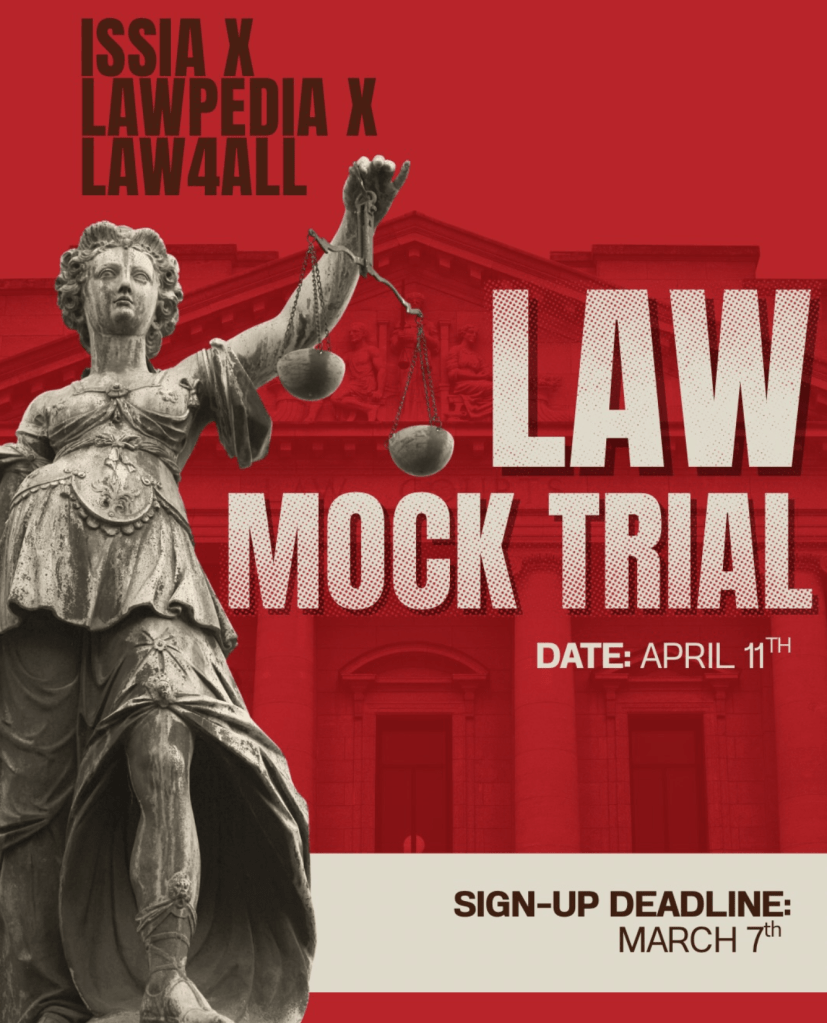
Right now, we’re organizing a mock trial, and honestly, the process itself has been eye-opening. We’re bringing students into a courtroom environment, most of them have never set foot in one and letting them experience what it’s actually like.
What’s struck me is how many students initially feel like the legal system is ‘not for them’ like it’s this exclusive club they don’t have access to. But when they’re standing up, making an opening statement, or cross-examining a witness, something shifts. They realize ‘Oh, this is something I can understand. This is something I could use.’
We’re still in the planning stages, so I can’t yet point to long-term outcomes. But I’ve already seen the impact in our organizing team alone, students who were initially hesitant are now passionately debating case law and teaching each other legal concepts. They’re thinking critically about justice, fairness, and how the legal system actually functions versus how it should function.
Q5. What is one goal you hope to achieve in 2026, and what makes it important to you?
In 2026, I want to establish a sustainable annual mock trial program that becomes a cornerstone event for Lawpedia, something students look forward to and learn from year after year.
We’re organizing our first one now, and I can already see its potential. But I don’t just want this to be a one-off event that dies when I graduate or when the core team gets busy. I want to build something with structure: clear roles for future organizers, partnerships with law schools or legal professionals who can serve as judges and mentors, maybe even a small competition element that makes it exciting and accessible.
What makes this important to me is honestly pretty personal. When I started Lawpedia, I was one person with an idea and a lot of uncertainty. Now we have a team, we have momentum, but I’m aware that student organizations often fade when founders leave. I don’t want that to happen.
By the end of 2026, I want to be able to hand someone a binder (or more realistically, a shared drive) and say ‘Here’s how you run this. Here are the contacts, the timeline, the budget, the lessons we learned.’ I want to create something that outlasts me.
Thank you so much to Alicia for joining us in this interview! Be sure to check out Lawpedia here: https://www.instagram.com/yourlawpedia/
 The Megaphone