Author: Grace Li
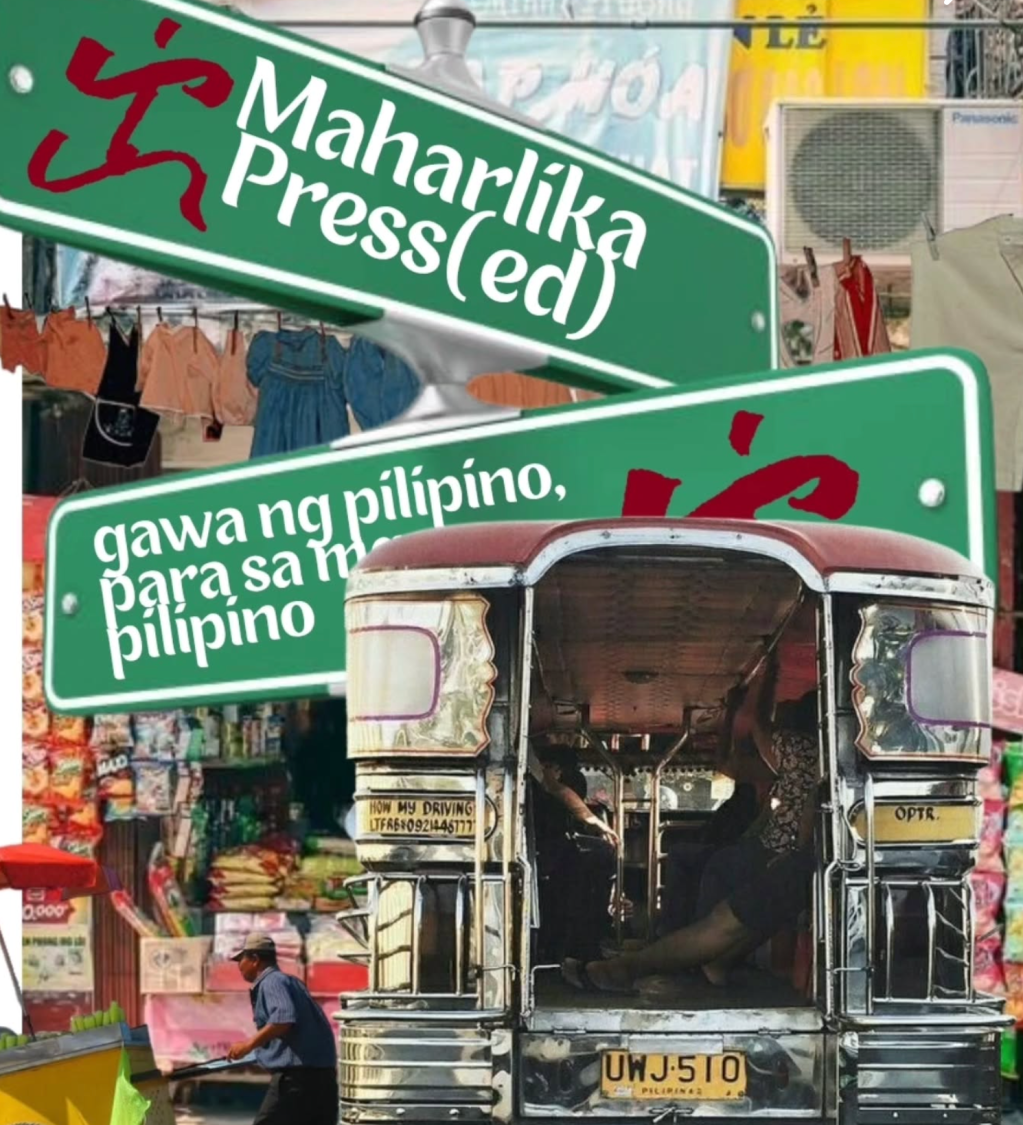
We are excited to be joined by Maharlika Press(ed) Magazine, a youth-led magazine dedicated to activism and making political events in the Philippines more accessible to youth. In monthly issues, they breakdown key political events, provide thoughtful reflection and commentary, discuss how national issues affect Filipino youth.

Q1: Please introduce yourself and Maharlika Press(ed) Magazine.
Hi! I am the editor in chief of Maharlika Press(ed) Magazine. Although I don’t want to reveal any personal information about me given that the magazine is political, I am a student activist in real life and my niche is worker’s rights. Maharlika Press(ed) is essentially an activist magazine though people can have the liberation to call us activist-adjcanet since me and my team don’t go to rallies as a collective (we do go to rallies but individually to protect each other). You can also say that this magazine is a gateway for formal activist organizations.
Q2: Can you describe the core mission of Maharlika Press(ed)? What inspired you to start a platform combining political analysis with youth reflection, and how has that evolved since your launch?
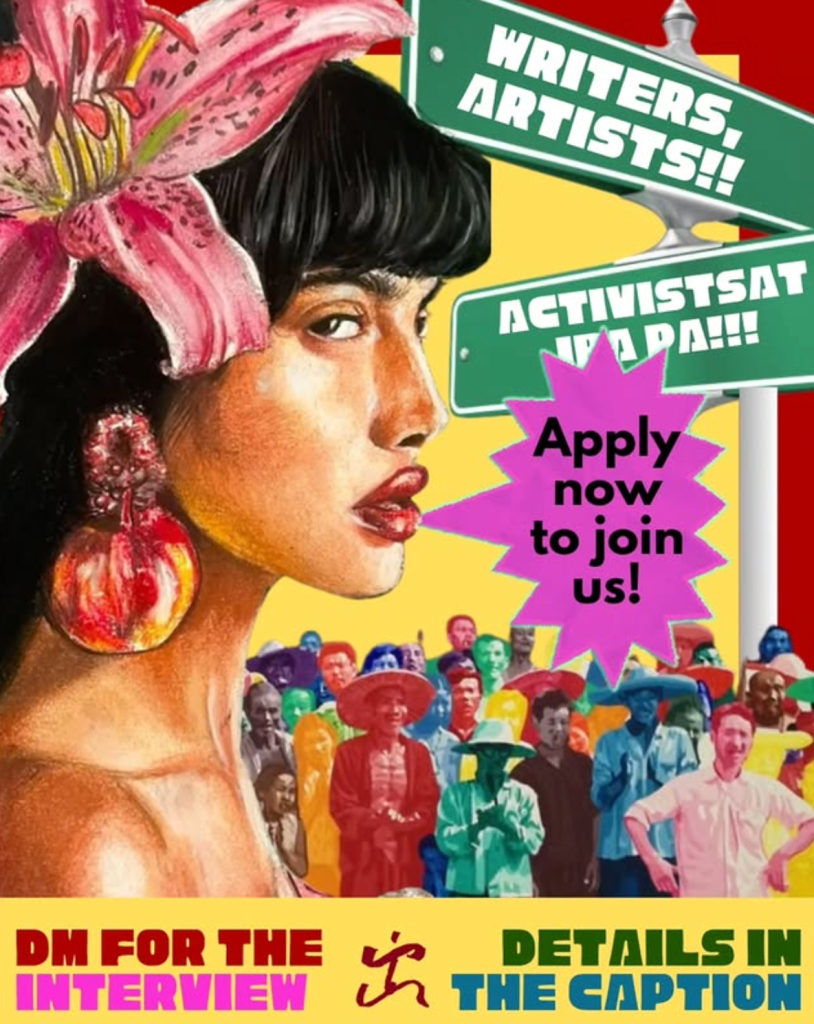
The core mission here is our motto: to love is to resist. We want to bring awareness towards unreported issues, showcase our stance on political decisions, as well as uplift marginalized communities in the country. We wanted to do this whilst still combining youth reflection since I’ve noticed that many people view activist organizations as intimidating …that one must read theory or know everything when you don’t have to! You just have to have basic human empathy, open mindedness, and passion for it! Ever since we’ve launched we were able to grow from a 2 person team to 20 so far! (our membership applications are open 24/7 by the way).
Q3: When covering current political issues, how do you balance informative reporting with youth-centered empowerment?
We usually collect the sources that we could find regarding the issue making sure there is a slight balance between government narratives and activist narratives (especially with the cases of red-tagging, we listen to the victims oftentimes than not). The assigned writer shall start creating narratives based on these sources and after checking, they can add their personal renditions. These can be in the form of fiery transition sentences, personal snippets, paragaphs on why should we care, paragraphs naming the system etc. The writers have free rein in the structure as ling as the sources are there and the passion is there!!
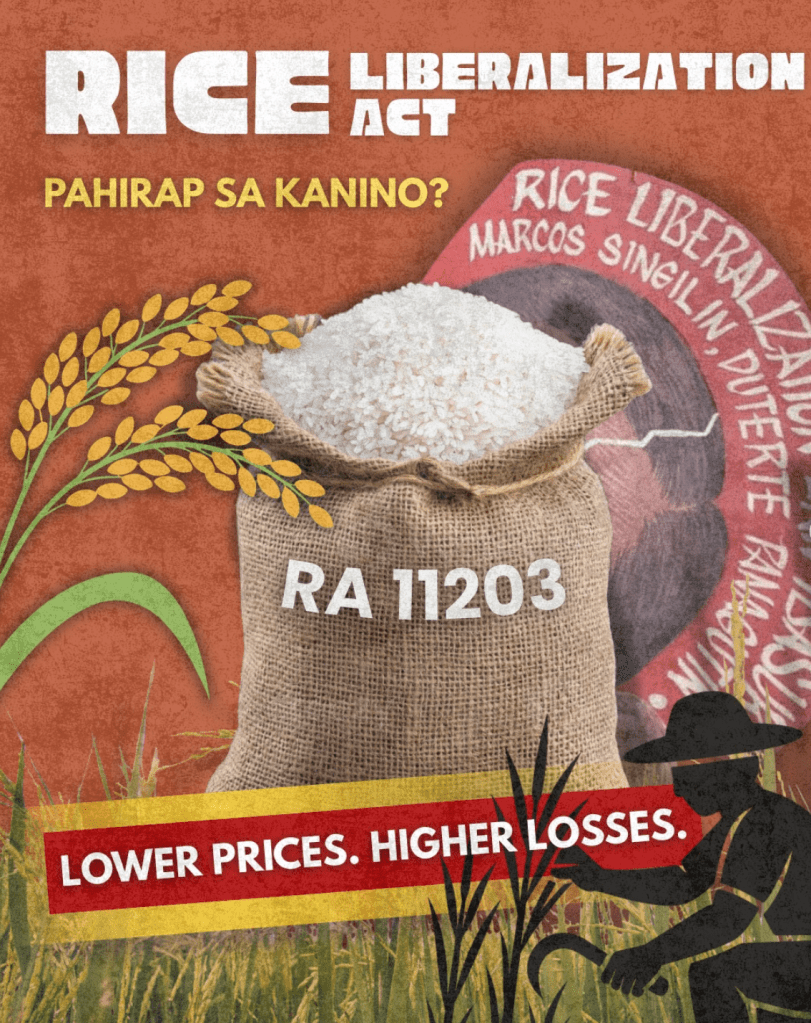
Q4: Many of your Instagram posts mix creative narrative imagery with political themes: how do you balance these motifs when you design for your magazine?
We make sure that everything is ethical especially when we handle terms like “terrorism”, “communism”, all that hehe. They all go through me and a few editors for checking and I require that the person making the pubmat should also read the article the pubmat is based on so yey!
Q5: How can current youth aid in Maharlika Press(ed) Magazine’s mission?
You can amplify our posts as well as join our team! Although I do highly encourage that the youth should really join activist organizations because for the most part the community is beautiful and you are given many educational discussions so you don-t really need to know everything. I’m a Stem student in real life so I can pretty recommend joining: alliance of science students and environmentalists (aestig), agham youth national, people’s science school, and tambisan sa sining (not for stem but yes).
Thank you so much to Maharlika Press(ed) Magazine for joining us on this interview! Check out their work here: https://www.instagram.com/maharlika.press/
 The Megaphone