Author: Rohan Ahuja, West Union High School
📍West Union, OH
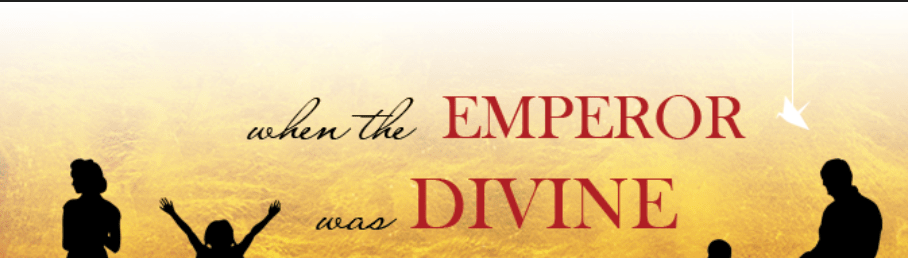
Authors choose the names of their literary characters with great care. In “When the Emperor was Divine” author Julie Otsuka depicts the physical and psychological struggles a Japanese family in the 1940s is forced to endure as a result of being forcibly displaced to a World War II-era internment camp for Japanese Americans. Her choice to leave all characters in the main family nameless— without both a first and last name— helps depict the immoral and unfair treatment they received in the camps, namely how their identities as individuals, not just as members of the Japanese ethnicity, were disregarded and erased during this time period.
The lack of names given to the members of the main family makes them seem less like characters in a book to readers, and more like real people. When reading the book, as a result of the fact that the main characters do not have names, readers cannot help but insert someone they know into their perception of each character. This connects the readers with the pain and suffering the family is put through in the camps as if it is happening to people they know. It also makes it especially gut-wrenching when the boy “dreams of water” or the mother, who was previously very meticulous and energetic says, “I don’t even know what day it is.” In refraining from naming the main characters, Otsuka makes it apparent to the readers that the internment camps were wholly unfair and unnecessary. A reader might find themselves asking why these seemingly normal people with normal interests, within whom readers can insert people they know personally, are locked up, displaced from their homes, and treated like criminals. It also prevents readers from viewing the events in this story as happening to fictional characters, but rather real people who are a part of the real world, and it makes readers more likely to reflect on the things the family is being put through, such as forced displacement from their homes and livelihoods, in the context of the real world, as opposed to a fictionalized alternate universe. This is ideal, as the conflict in this story and the source of the psychological and physical troubles of the main characters in this book is the internment camps they are forced into, which did exist in the past, and several, real Japanese-Americans went through events very similar to the ones described in the book.
The family’s struggles with their identity are a central theme of this book, and their lack of names reflects the loss of identity that prisoners of the camps were subjected to during their time in the camps. Prisoners were forced to sleep in horse stables and barracks and were forced to eat as a group, as with every other prisoner at the camp. Now, things prisoners likely previously did as a family unit, like eat together, sleep in the same building, etc, were being done with the rest of the people in the camp. This dissolved or weakened familial bonds, and family is a significant part of anyone’s identity. Names play a significant role in any person’s identity. The boy’s lack of a name is also used to show how being in the camp strips him of his identity. The closest thing the story gives us to name for the boy, or any of the family members for that matter, are the nicknames his father called him. He called him “Gum Drop, and Peanut, and Plum” along with “Little Guy” and his “numero uno”. These names were unique to the boy and his father and their relationship. It is unlikely that every other father in the camp calls his son the above names. Not only do readers not know the boy by his name, but being in the camp takes away the nicknames that are unique to his and his father’s relationship, as his father was split up from the rest of the family, showing how the camp has taken away the identities of its Japanese prisoners. More significantly, prisoners were also referred to in the camp by identification numbers, rather than their actual names. The camp strips them of their identity by dissolving their familial bonds and taking away their freedoms.
Finally, the lack of names given to the family reflects a lack of knowledge about Japanese-Americans and a misconstruction of their identities on the part of the U.S. government. The family is very assimilated to American culture. A large majority of each family member’s likes and dislikes are incredibly, almost stereotypically American. The boy likes to read Joe Palooka comic books, the father loves “jelly-filled doughnuts”, the girl likes to listen to Dorothy Lamour, etc. Otsuka constantly reminds us of the family’s American-ness throughout the book, making it seem illogical for the family to be locked up and treated like prisoners as they are. This can also be felt while the family is at the camp. Rules such as “No books in Japanese,” when the only books mentioned in the family’s house were the Bible, and the Audubon Society’s “Birds of America”, and “No Emperor-worshipping Shintos allowed,” when the family was emphasized to be very devout Christians, show a sharp contrast between the actual identity of the family and the way the American government perceives them. The U.S. government and everyone else who committed racial violence against Japanese people reduced them to their country of origin/ethnicity, no matter how far removed they were from the actual country. The individual identities of each person placed into an internment camp were erased/disregarded by the United States government in favor of an identity that reduced them to just the fact that their lineage can be traced back to Japan, which Otsuka reflects in her choice not to name the characters of the main family.
The family’s names, or rather their lack thereof served as a powerful representation of how the family members’ identities were disregarded and stolen from them in the camp. In doing so, Otsuka makes apparent how vital a person’s name is to their identity and their existence. A name is a human right, and its absence, as in this story, represents mistreatment and oppression.
 The Megaphone