Author: Eshwar Cherkuri
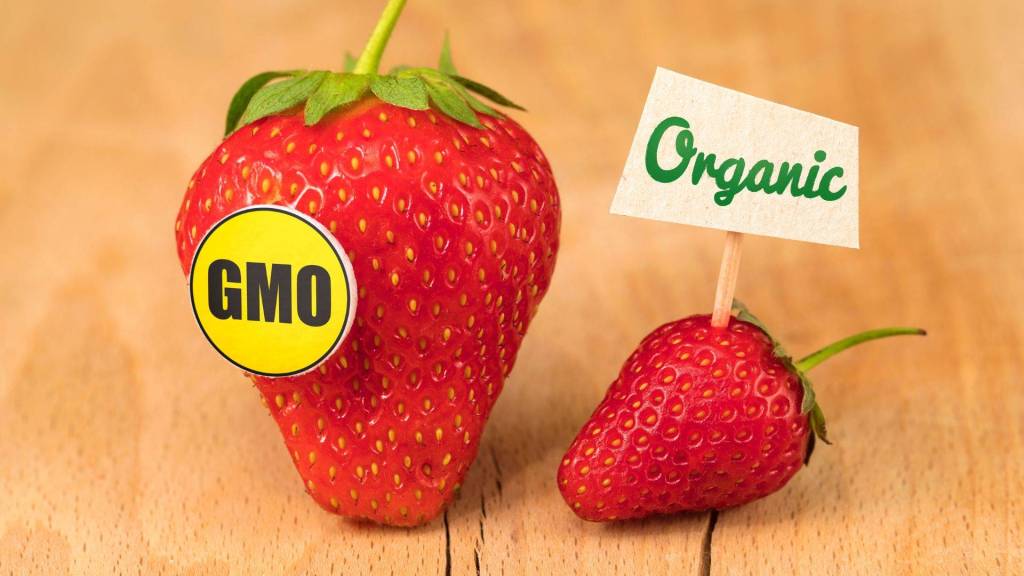
Imagine a world where crops could withstand droughts, resist pests, and even provide enhanced nutrition. In today’s quest for sustainable agriculture, this vision isn’t far-fetched, thanks to the marvels of Genetically Modified Organisms, or GMOs. GMOs are organisms whose genetic material has been altered using genetic engineering techniques. This manipulation allows scientists to introduce desirable traits into plants, animals, and microorganisms that wouldn’t occur naturally. The history of GMOs dates back to the 1970s when researchers first began experimenting with genetic modifications in bacteria. Since then, GMO technology has evolved rapidly, revolutionizing agriculture, pharmaceuticals, and industry. From pest-resistant crops like Bt corn to insulin-producing bacteria, GMOs offer solutions to global challenges in food security, healthcare, and environmental sustainability. Understanding the complexities and controversies surrounding GMOs is crucial as we navigate the future of science, agriculture, and ethics.
One reason supporting the claim that GMOs are good is the potential of GMOs to make food healthier and safer. To begin, GMOs can be used to fortify different foods with essential vitamins and minerals. One example of this is Golden Rice, which is rice that has been genetically engineered to biosynthesize beta-carotene or Vitamin A, which according to the National Institute of Health, is essential for normal vision, the immune system, reproduction, and growth and development in humans. Application of this use of genetic engineering has the potential to drastically improve global nutrition and health, as foods part of a certain diet can be fortified with vitamins and minerals which do not commonly occur in the diet of that region, without those people having to change their long-held food/dietary customs. One example of this can be seen in the high rates of anemia among Indian people, with, according to the National Institute of Health, over 50% of women and children in the country suffering from the deficiency. These high rates of anemia are commonly attributed to the fact that a large percentage of the Indian population is vegetarian, a dietary habit that is, for most people, tied to religion and culture. The use of GMOs to fortify food standards of the average Indian person’s diet with things like iron and vitamin B12 can improve the overall health of people in India without them having to forgo their cultural customs to achieve that health. Similar examples include GMO soybeans with healthier oils that can be used to replace oils that contain trans fats. Additionally, this application of GMOs has the potential to make more nutritious food cheaper, and therefore more accessible. GMOs have the potential to solve global malnutrition problems.
Another reason supports the use of GMOs as something beneficial is the possibility of GMOs to make the agricultural process more sustainable and less resource-exhausting. As mentioned in the previous paragraph, because GMO crops, such as Bt vegetables can be engineered to have a resistance to different pests, planting them instead of regular crops can reduce the necessary herbicide use for the same amount of food grown. According to the Alliance for Science, farmers “reduced pesticide spraying by 776 million kilograms, or 8.6 percent, between 1996-2018 by adopting GM crops with insect-resistant (IR) and herbicide-tolerant (HT) traits” (Alliance for Science, 2020). Additionally, “from 1997 – 2006, and from 2015 – 2018, the average volume of herbicides used in Brazil represented an average decrease” when GM soybean plants were planted instead of normal soybean plants (Montana State University). Furthermore, this reduced use of pesticides on average can result in more sustainable changes to tilling practices. Tillage refers to “the manipulation of the soil into a desired condition by mechanical means” (Stewart, 2023), and fewer and/or less damaging pesticides can improve soil quality and reduce the need for extremely energy-exhausting tilling methods, examples include fuel for machines, etc. In fact, according to the National Center for Biotechnology Information, use of GM crops has, in fact, “has also facilitated important cuts in fuel use and tillage changes, resulting in a significant reduction in the release of greenhouse gas emissions from the GM cropping area”. In 2018, this was equivalent to removing 15.27 million cars from the roads.
The final discussed reason for the benefit of using GMOs is the pharmaceutical use of GMOs in potentially life-saving drugs. One example includes the protein drug, insulin, which is used to treat diabetes, and was first produced via the age-old genetic modification technique, transgenesis. According to the American Diabetes Association, prior to the discovery of insulin in 1921, individuals with diabetes did not live for very long. In fact, the only treatments for diabetes of that time included extreme diets, some of only 450 calories per day! In 1921, following the recent discovery of insulin, a surgeon named Frederick Banting and his assistant Charles Best were able to remove insulin from a dog’s pancreas, and were then able to use that insulin to keep another dog with severe diabetes alive. This eventually led to the widespread use among diabetics of transgenically produced insulin, which many people rely on today. Insulin is just one of many possible drugs that can be produced by genetic modification techniques that can eventually go on to save millions of lives and lessen the impact of a plethora of different diseases. Another pharmaceutical application of genetically modified organisms is the use of animals or animal cells as “bioreactors” to synthesize large amounts of a molecule necessary in a drug that is more easily isolated from animal products like milk, egg white, blood, urine, etc than a traditional cell culture. According to the University of Connecticut, the first drug produced by genetically modified animals was antithrombin III, which prevents the formation of small blood clots that could “break loose and plug other vessels”. The goats were genetically modified to produce the protein in their milk, where it could then be isolated and used in potentially life-saving drugs. This was approved by the FDA in 2009. In summary, GMOs should continue to be tested and produced because of their possibility to create many life-saving drugs.
 The Megaphone