G. Li, Editor-in-Chief, V.Iyengar, Editor-in-Chief
📍 Silicon Valley, USA
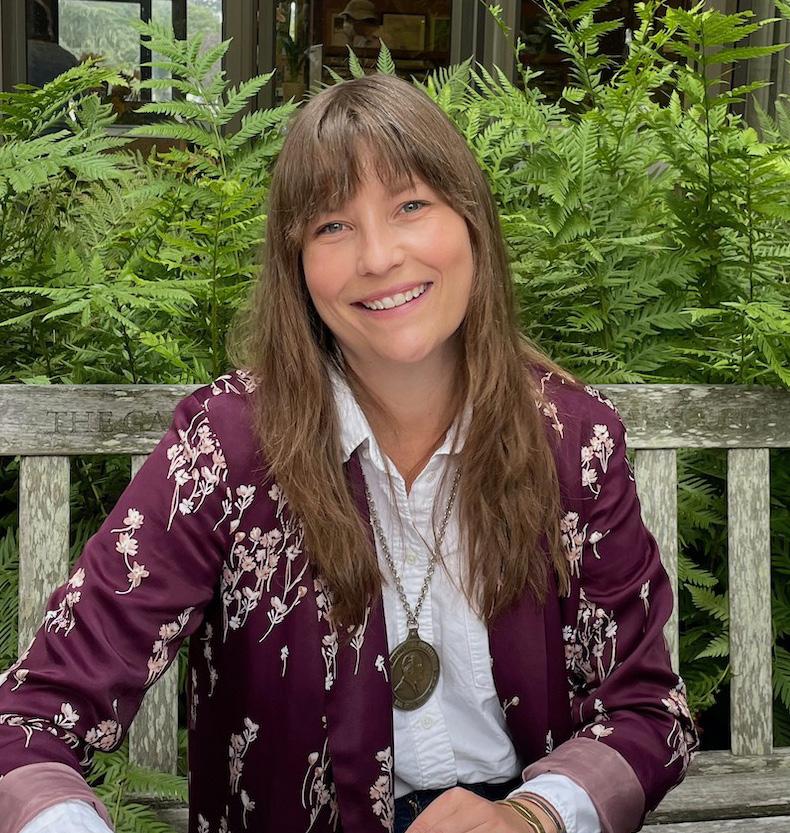
Nicole Meldahl is the Executive Director of the Western Neighborhoods Project and the host of the Outside Lands Podcast. She is an accomplished archivist and historian, and works with the Golden Gate National Recreation Area and as a freelance historian and contract archivist. In this interview, we interview Meldahl to explore the role of public history in tightening community bonds and the pathways to local perspectives and understanding brought by podcasting. Read the first part of this interview here.
Grace Li: Yeah. So kind of going more into the history side of the podcast and your interests: if you could step into San Francisco during any decade or era, given what you’ve been researching with your podcast and your personal beliefs as a historian, which decade or era would you choose?
Nicole Meldahl: Gosh, that’s so hard. Well, you know, trying to pick an era from the past as a woman is kind of complicated, right? Because we didn’t have a lot of rights in some of the eras. And so I prefer personally to be living now. There’s a lot of comforts and conveniences about my right to vote.
But if we’re taking that out of the equation, I think San Francisco in the nineteen teens and twenties would be really, really fun. There’s a lot of development happening. There’s a lot of new technology. Women are getting to do a lot more things because of the opportunities that opened up with World War I.
Or, I’m sorry, I’m giving you two, the 1950s. The reason I came to San Francisco was because I fell in love with literature. And so I embarrassingly came up here wearing a beret and was very much ready to be a beatnik poet. And so I would have loved to have seen north beach in the 1950s.
Grace Li: That’s really cool.
Vrinda Iyengar: Yeah. And to expand on your personal enjoyment of your job, we were wondering what was your favorite episode of the Outside Lands podcast?
Nicole Meldahl: You know, I saw that in the notes that you sent ahead, and I scrolled back through and I honestly can’t pick, it’s like picking your favorite child.
If I’d have to pick a format, I would say I love the interview podcasts because I love connecting with new people and getting to share their story with everybody. I’m really mindful that, people who are living their lives now, if we can get them on the record, that creates a fuller picture of San Francisco in the future. Like, a lot of historians spend a lot of time looking backward, and that’s important. That’s our job. But if we don’t connect it to the present and start gathering the stories to make history far more inclusive going forward, then we’ll be doing a disservice to our field.
So I’m very conscious of that. And some of my best friends have come out of cold interviews on the podcast as well. So, you know, selfishly, it’s expanding my family circle in the process. And if I had to pick one of those, we did a Playland. We did a Playland Memories podcast where a whole bunch of folks joined.
I don’t remember the episode number, but it was a two parter and they were telling me things I didn’t know. They were chatting with each other and like, that’s super fun, everybody coming around one subject and just feeling a sense of community around it.
Vrinda Iyengar: Yeah, that does sound really fun.
Grace Li: Okay, so I guess going more into how community focused the Western Neighborhoods project is, we were wondering how your work might have shaped your sense of identity as someone living in the San Francisco area or as someone living in California, and we were wondering if you think you have a unique perspective of this area as a result of running the podcast.
Nicole Meldahl: Gosh, that’s a big question. Well, to start, I’m not from here. I’m from Los Angeles. And I always ask people to forgive me for that because, you know, the LA vs San Francisco thing. And, you know, for me, I mean, I’m not a religious person, and so history really helps me understand my world. It helps me find community. It puts everything in context for me. And with moving up here and being on my own for the first time – I was 17 when I got here – learning the history of things made me feel a part of it. And even though I wasn’t from here, I found that because I loved historical research and my job, it put me in a position of learning a lot about San Francisco every day.
Working at the park archives, I found that I could connect with native San Franciscans, people who’ve been here a long time, because I could be like, “oh, well, I know about that thing”. And so it was a way for us to share. Share and get to know each other and connect. And in terms of how this job has helped me view myself, I’m a daughter of California. The state is the coolest state.
I’m sure other people who live in other places have a differing opinion, but from a resource perspective, from a history perspective, it’s just so incredible. I think of myself as a Californian through and through. Plus, I can’t handle snow. You take me to an eastern city and I will drop dead. But, you know, being a woman and doing public history, being a younger woman and doing public history, is not without its challenges.
Many people think I’m the intern of the organization that I run, you know, which I take as a compliment that I’m aging well. And also, some people don’t want to listen to someone who looks like me when I say things that I spent years researching. So that dynamic, you know, learning how to navigate that gracefully without taking it personally and without getting upset.
Grace Li: Right.
Nicole Meldahl: This is not my problem. This is their problem. And all I can do is, you know, do good work consistently until they have to take me seriously. And I will say to your earlier question about the sort of casual nature of the podcast, you know, a lot of people don’t want to take me seriously because I giggle a lot. We get a lot of emails about the fact that people don’t like that I laugh so much and they don’t like my voice, things like that.
I’m not a confrontational person by nature, and I tend to just get really upset about stuff when I get negative feedback like that. But I run this organization and I have to handle it. So doing public history has been incredibly supportive of me growing, becoming more professional, staying calm, because I have so much context at my disposal for local, national, global events. By studying history, as things have become very unique in the last few years globally, it’s helped me not freak out when I read a headline.
Sometimes I do, sometimes the headlines are crazy. But, you know, it really keeps me calm and keeps me focused and with purpose and feeling within a broader community. So I stay sane.
Grace Li: Yeah, and I think the fact that people would be critical of laughing or you being a woman; no one deserves to go through that. And I feel like this is something of a broader influence in society, where people don’t take women seriously.
And an example I can just think of from the top of my head is, with Kamala Harris, they would say, like, ‘oh, she laughs too much’. There’s stuff like that. And one, I think it’s such a non issue, honestly. And two, I feel like personally, they’re just trying to find issues with a woman being in positions of leadership, and I think it’s just so unfair.
Nicole Meldahl: Yeah, it is. And it might be a generational thing. We might see less and less of it. The older folks who aren’t accustomed to seeing authority presented in a certain package move out of society. Which is a polite way of saying passing away, but yeah, I do hope that there’s a shift, but I don’t know.
Vrinda Iyengar: Yeah. So finally, we’d like to ask if you have any advice for those who aspire to follow your path in podcasting and public and community history.
Nicole Meldahl: Well, yeah, everybody should go into public history, but I hope you’re not going into it to make a lot of money, especially in a tech city like San Francisco. [laughs] I think one of the things that makes me good at my job is empathy. And I think we are lacking a lot of that patience and empathy with people who are different from us, people who might be challenged by who knows what. Right? We never know what’s going on with folks. And there’s a lot about history that can be very challenging.
A key part of what I see as my job is sitting and listening, and helping people make sense of things. And that’s an immense privilege, to be able to help people understand their world. And because the way historians do that, especially public historians that are in the neighborhood working directly with the community, I think it’s an incredible job. I’m never bored. I do work, like, six to seven days a week, but that’s not true for everybody. And, yeah, it’s one of the most rewarding things I’ve ever done.
So yeah, I do encourage everyone to do that. And podcasting with the tools available today is incredibly easy. Okay. I say that not producing our podcast in any way. Drew Moss does that. But, you know, don’t let perfect. Oh, what is the phrase? Never mind. I’m gonna screw that phrase up. But just start doing it. Just because someone tells you, well, you’re not a podcaster or you’re not a historian, that doesn’t mean it’s true. If you take the time to learn the craft and you do it diligently and with authenticity, then you are a historian. You are a podcaster. So never be afraid to start something or get into a field because someone says that you shouldn’t, or it feels too challenging. Always take it on.
Vrinda Iyengar: Yeah, I think that’s really good advice. And so that was our last question for today, and also, there’s not much time left on the Zoom meeting. We just wanted to thank you so much for doing this with us. And we also wanted to say that we really enjoy your podcast. It’s important for people to care about and understand history.
And we really like the fact that you make it really accessible to the everyday person and you give a platform to stories that wouldn’t necessarily be given one. So, yeah, we think that’s really cool, and we really love your podcast.
Nicole Meldahl: Thank you. Please share it with everyone else, because if we don’t get younger folks like you listening and creating new history, well, we’re in trouble. Thank you so much for reaching out and for giving me the opportunity to chat with you.
Grace Li: Thank you!
Vrinda Iyengar: Thank you so much!
Nicole Meldahl: Of course. Well, thank you for the opportunity and have a great night and I’ll hear from you soon.
Vrinda Iyengar: Yeah, you too.
Grace Li: Bye, thank you!
 The Megaphone