Author: V.Iyengar, Megaphone Editor-in-chief
📍San Francisco, CA
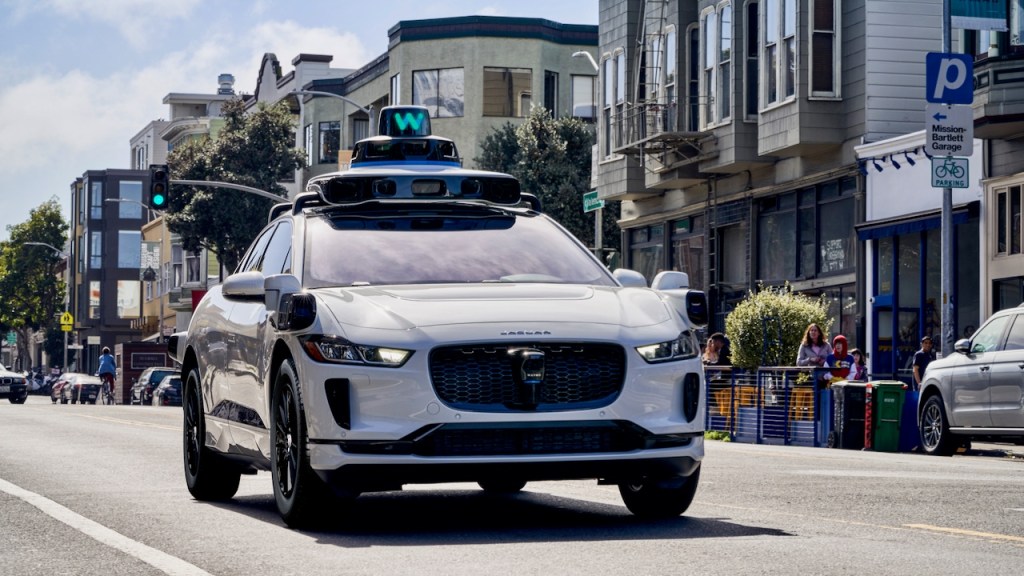
When it was first founded in 2009, the Google Self-Driving Car Project, began with the sole purpose of making fully-autonomous vehicles more viable in order to make roads safer and more efficient for civilians. Almost 15 years and over one billion dollars later, that “project” has spun out of Google to become Waymo, under Alphabet Inc, and the white cars topped with their spinning black sensors have become a staple of the downtown San Francisco experience.
In a blog post released in late June, the company announced that “the wait is over,” and anyone is able to download the Waymo app and hail one of the many robotaxis in Waymo’s San Francisco fleet.
A Momentous Day
As mentioned before, Waymo’s precursor, The Google Self-Driving Car Project, was first founded in 2009, in San Francisco, and then announced to the public in 2010. In 2015, Google’s Self Driving Car Project was able to provide the world’s first driverless ride on public roads, before becoming its own LLC, Waymo, in 2016. Since then, the company has gradually made several moves toward making rides open to all. In 2021, Waymo began offering rides to “trusted (civilian) testers”, who were preapproved riders that in some cases, were made to sign non-disclosure agreements regarding their experience riding inside one of the robotaxis. Then, in 2022, Waymo opened up their driverless rides to company staff in San Francisco, whereafter they announced a waitlist, and anyone who wanted to could sign up to have the opportunity to ride in one of the Waymo taxis. According to the company, 300,000 people signed up initially, a significant chunk of San Francisco’s 800,000-person population.
Now, just this past June, Waymo announced that they’d be scrapping the waitlist and opening up rides to anyone with the app who wanted them.
Safety Concerns
Despite several statistics supposedly proving the safety of the company’s robotaxis boasted by Waymo, public trust in self-driving cars remains low. In fact, there has been significant opposition to many of the attempts to expand its operations in San Francisco.
One instance of such opposition occurred in 2023, which was spearheaded a San Francisco-based activist group called Safe Street Rebels, which fights for “car-free spaces, transit equity, and the end of car dominance.” The group discovered that placing a large orange traffic cone on the hood of any self driving car immobilizes it, until someone comes and removes the cone. This coning crusade was organized in response to a series of blunders by the robotaxis, including instances of running red lights, rear-ending buses, and even running over and killing a dog.
More recently, upon the release of the news of Waymo scrapping its waitlist, a 36-year-old man was charged after slashing the tires of 17 different Waymo robotaxis across the city. This is just the latest example of vandalism against Waymo’s cars, indicating strong, persisting tensions between some inhabitants of San Francisco and self-driving cars.
Despite the existence of such a strong opposition group, Waymo insists that its taxis are safe enough to be incorporated fully into civilian life, and for good reason. In a blog post released in December 2023, Waymo claimed that based on over 3.8 million miles accrued by the company’s San Francisco and Phoenix fleets, their robotaxis outperform human drivers— reporting an 85% reduction in injury-causing crash rates, and a 57% deduction in police-reported crash rates.
Conclusion
While Waymo’s fleet is not yet able to rival other commercial ride services such as Uber and Lyft, the company has a bright future, and has shown its ability to stand the test of time, outlasting several other failed attempts by companies such as Apple and Uber to develop their own lines of self-driving cars, and they will continue to do so, as the company continues to expand their fleets in size and their geographical scope.
 The Megaphone